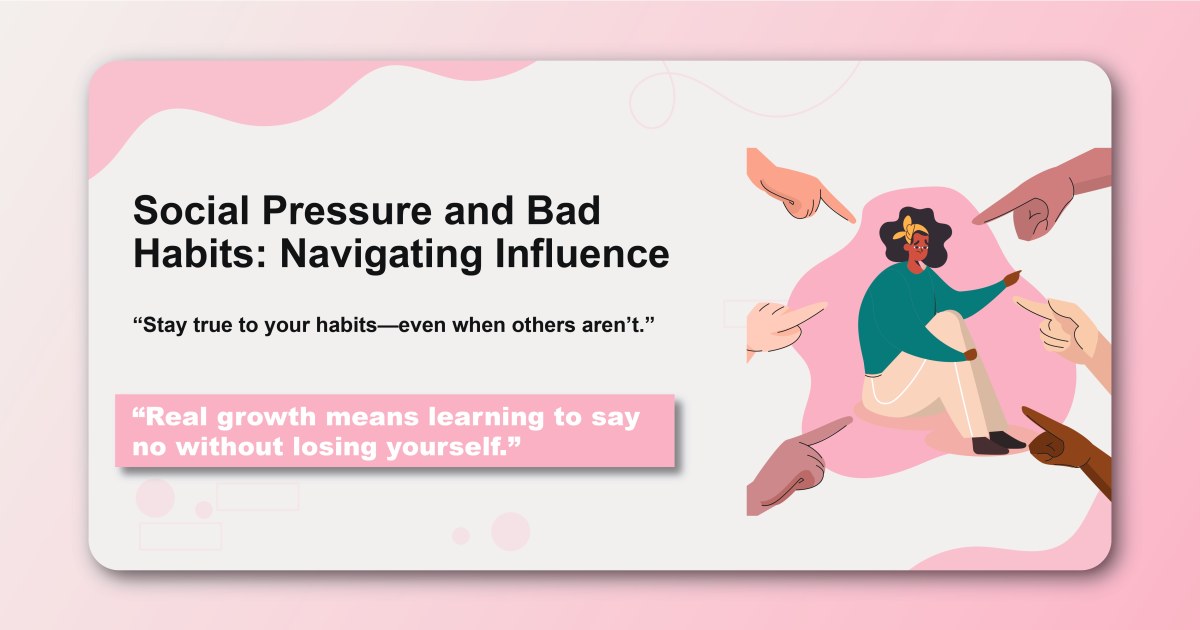
Humans are inherently social beings, and our behavior is significantly influenced by the people around us. While social connections can be a powerful force for positive change, they can also perpetuate and reinforce bad habits in ways that make individual change efforts feel impossible. Understanding how social pressure affects habit formation and maintenance is crucial for anyone trying to break free from unwanted behaviors.
Social pressure doesn't always come in the form of direct encouragement to engage in bad habits. Often, it's more subtle—the unspoken expectations of social groups, the fear of judgment or rejection, or the simple desire to fit in and maintain relationships. These social dynamics can make it challenging to change habits, even when you're highly motivated to do so.
The influence of social environment on habits operates through multiple mechanisms. Social norms establish what behaviors are considered acceptable or expected within a group. Social identity creates pressure to behave in ways that align with group membership. Social support can either facilitate or hinder change efforts, depending on whether your social circle supports your goals or undermines them.
Many people discover that their biggest obstacle to breaking bad habits isn't lack of motivation or willpower—it's the social environment that consistently triggers and reinforces the unwanted behavior. Whether it's drinking with colleagues, eating unhealthy foods with family, or engaging in gossip with friends, social situations can override individual intentions and make habit change feel impossible.
However, understanding social influence also reveals opportunities for leveraging these same forces for positive change. By strategically managing your social environment, building supportive relationships, and developing skills for navigating social pressure, you can transform social influence from an obstacle into an ally in your habit change journey.
This comprehensive guide explores how social pressure influences bad habits, examines the various forms of social influence, and provides practical strategies for maintaining healthy behavior change in social situations. Whether you're dealing with direct peer pressure or subtle social expectations, these insights and tools will help you navigate social influences while staying true to your goals.
Understanding Social Influence on Habits
Types of Social Influence
Normative Social Influence This occurs when we conform to group expectations to be accepted and avoid rejection. We engage in behaviors not because we believe they're correct, but because we want to fit in with the group.
Informational Social Influence This happens when we look to others for information about what's appropriate or correct in ambiguous situations. We assume others know something we don't and follow their lead.
Social Proof We tend to follow the behavior of others, especially when we're uncertain about what to do. If everyone else is doing something, it must be the right thing to do.
Authority and Status Influence We're more likely to follow the behaviors of people we perceive as having authority, expertise, or higher social status.
Social Habit Triggers
Environmental Cues Social environments often contain multiple cues that trigger bad habits—the bar atmosphere that triggers drinking, the office break room that triggers unhealthy eating, or the social gathering that triggers smoking.
Emotional Contagion Emotions spread through social groups, and certain emotional states can trigger bad habits. Stress, excitement, or celebration in social settings can lead to habitual responses.
Social Rituals and Traditions Many bad habits are embedded in social rituals—happy hour drinks, holiday overeating, or celebration smoking. These ritualistic aspects make the habits feel necessary for social participation.
Identity and Belonging Engaging in group behaviors, even unhealthy ones, can feel essential for maintaining social identity and belonging. Not participating can feel like rejecting the group itself.
Common Social Pressure Scenarios
Workplace Social Pressures
Office Culture and Habits Workplace cultures often include unhealthy habits—afternoon coffee runs, stress eating, gossiping, or afterwork drinking. These can feel mandatory for career advancement or social acceptance.
Professional Networking Business networking events, client dinners, and professional social gatherings often center around behaviors that may conflict with personal health goals.
Stress and Competition Competitive work environments can trigger stress-related bad habits, with colleagues modeling and normalizing unhealthy coping mechanisms.
Workplace Social Strategies:
- Suggest alternative meeting locations or activities
- Bring healthy alternatives to share
- Find like-minded colleagues who support your goals
- Set clear boundaries between professional and personal choices
- Develop scripts for politely declining unhealthy activities
Family and Close Relationships
Family Traditions and Expectations Family gatherings often involve food, drink, or other activities that may conflict with healthy habits. Family members may take personal offense when you change behaviors they consider normal or expected.
Relationship Dynamics Partners, family members, or close friends may consciously or unconsciously sabotage habit change efforts because your changes threaten the established relationship dynamic.
Emotional Relationships Close relationships involve emotional complexities that can make it difficult to maintain boundaries around habit change. Guilt, obligation, and fear of disappointing others can undermine personal goals.
Family Relationship Strategies:
- Communicate your goals clearly and explain their importance
- Involve family in your healthy choices when possible
- Establish boundaries while maintaining connection
- Find ways to participate in family activities without compromising goals
- Seek family support and understanding for your changes
Social Groups and Friend Networks
Peer Pressure and Social Activities Friend groups often have established activity patterns that may include unhealthy habits. Changing your behavior can feel like abandoning your friends or social identity.
Social Identity and Group Membership Certain behaviors may feel essential to group identity—drinking with certain friends, eating specific foods, or engaging in particular activities.
Fear of Social Rejection The fear of being judged, excluded, or rejected by social groups can be powerful enough to override personal health goals and habit change intentions.
Social Group Strategies:
- Gradually introduce changes rather than making sudden shifts
- Find new social activities that align with your goals
- Be honest about your goals and seek support from friends
- Identify which friends truly support your well-being
- Develop skills for handling social pressure situations
Strategies for Navigating Social Pressure
Preparation and Planning
Anticipate Challenging Situations Identify social situations that typically trigger bad habits and plan your response in advance.
Situation Planning Questions:
- What specific situations typically trigger my bad habits?
- Who are the people most likely to pressure me?
- What are my options for responding to pressure?
- How can I maintain my goals while preserving relationships?
- What support do I need to handle these situations?
Develop Response Scripts Prepare specific responses for common social pressure situations so you don't have to think on your feet.
Sample Scripts:
- "I'm trying to be healthier, but I'd love to join you for something else"
- "I'm not drinking tonight, but I'm having a great time anyway"
- "I'm working on some personal goals right now that require avoiding that"
- "Thanks for thinking of me, but I'm going to pass on that"
Alternative Suggestions Prepare alternative activities or choices that allow you to participate socially without compromising your goals.
Communication Strategies
Clear, Non-Judgmental Communication Express your choices without implying judgment of others' behavior.
Effective Communication Principles:
- Use "I" statements to express your choices
- Avoid explaining in ways that sound judgmental
- Be confident and matter-of-fact about your decisions
- Don't over-explain or apologize for healthy choices
- Show that you still value the relationship
Setting Boundaries Establish clear boundaries about what you will and won't do, while maintaining respect for others' choices.
Boundary Setting Techniques:
- Be consistent in your boundaries
- Explain boundaries once, then maintain them
- Don't negotiate your boundaries in high-pressure moments
- Respect others' boundaries in return
- Maintain boundaries kindly but firmly
Environmental Management
Choose Supportive Environments Actively seek out social environments that support your goals rather than undermine them.
Environmental Strategies:
- Suggest alternative meeting places or activities
- Host social gatherings where you can control the environment
- Participate in groups or activities aligned with your goals
- Limit time in environments that trigger bad habits
- Create social opportunities that support healthy choices
Modify Existing Environments Work to influence your existing social environments in positive ways.
Environment Modification:
- Bring healthy alternatives to social gatherings
- Suggest new activities for your social group
- Model healthy behaviors for others
- Create supportive micro-environments within larger groups
- Advocate for healthier choices in group settings
Building a Supportive Social Network
Identifying Supportive Relationships
Assess Your Current Network Evaluate which relationships support your goals and which ones undermine them.
Relationship Assessment Questions:
- Who supports my positive changes?
- Who pressures me to maintain bad habits?
- Which relationships feel conditional on certain behaviors?
- Who can I count on for encouragement and accountability?
- Which relationships might need boundaries or modifications?
Supportive Relationship Characteristics:
- Respect your choices even when they differ from theirs
- Encourage your positive changes and growth
- Offer alternatives when you can't participate in certain activities
- Show interest in your goals and progress
- Maintain the relationship regardless of your behavior choices
Expanding Your Support Network
Seek Like-Minded Communities Find groups and communities that share your values and goals.
Community Building Strategies:
- Join groups focused on healthy activities or habits
- Participate in online communities aligned with your goals
- Attend events and activities that attract health-conscious people
- Volunteer for causes that align with your values
- Take classes or workshops related to your goals
Professional Support Consider professional support when social pressure is particularly challenging.
Professional Support Options:
- Therapists specializing in behavior change
- Support groups for specific habit change goals
- Coaches or counselors who understand social dynamics
- Group therapy or peer support programs
- Online support communities and forums
Developing Social Skills
Assertiveness Training Learn to express your needs and boundaries clearly without being aggressive or passive.
Assertiveness Skills:
- Use confident body language and tone
- Express your needs directly and clearly
- Stand firm on important boundaries
- Listen to others' perspectives without automatically agreeing
- Compromise when appropriate without sacrificing core values
Conflict Resolution Develop skills for handling disagreements or tension that may arise from changing your habits.
Conflict Resolution Techniques:
- Focus on maintaining the relationship while holding your boundaries
- Acknowledge others' perspectives without agreeing
- Find common ground and shared values
- Use empathy to understand others' reactions
- Seek win-win solutions when possible
Dealing with Specific Social Challenges
Handling Direct Pressure
Persistent Pressure When people continue to pressure you despite your clear refusal.
Persistent Pressure Strategies:
- Repeat your position consistently without elaborating
- Remove yourself from the situation if necessary
- Address the relationship issues directly
- Set consequences for continued pressure
- Seek support from others in handling the situation
Guilt and Manipulation When people use guilt, shame, or manipulation to influence your choices.
Guilt and Manipulation Responses:
- Recognize manipulation tactics for what they are
- Don't take responsibility for others' emotions
- Maintain your boundaries regardless of others' reactions
- Focus on your own values and goals
- Seek support in recognizing and responding to manipulation
Managing Relationship Changes
Relationship Evolution Accept that some relationships may change as you change your habits.
Relationship Change Strategies:
- Understand that growth sometimes requires relationship changes
- Grieve the loss of relationships that can't adapt
- Celebrate relationships that become stronger through your changes
- Be patient with relationships that need time to adjust
- Focus on the long-term benefits of authentic relationships
New Relationship Dynamics Build new patterns of interaction that don't center around unhealthy habits.
New Dynamic Building:
- Introduce new shared activities and interests
- Find common ground beyond previous shared habits
- Create new traditions and rituals
- Develop deeper, more authentic connections
- Focus on relationships that support your growth
Social Situations and Special Events
Celebrations and Holidays Navigate special occasions that traditionally involve unhealthy habits.
Special Event Strategies:
- Plan your approach to special events in advance
- Focus on the social connection rather than the specific activities
- Bring or suggest healthy alternatives
- Participate in ways that align with your goals
- Create new traditions that support your values
Travel and Social Obligations Handle situations where you have less control over the social environment.
Travel and Obligation Strategies:
- Research options and plan ahead when possible
- Bring what you need to maintain your goals
- Communicate your needs clearly to hosts or organizers
- Focus on the aspects of the experience that matter most
- Maintain flexibility while holding core boundaries
Navigating social pressure while changing habits requires a combination of self-awareness, communication skills, and strategic planning. The key is to recognize that you can maintain meaningful relationships while making healthy choices for yourself. It's not about choosing between your goals and your relationships—it's about finding ways to honor both.
Remember that true friends and family members will ultimately support your positive changes, even if they initially resist or feel uncomfortable with the changes. People who continue to pressure you to engage in unhealthy behaviors may be dealing with their own issues around those behaviors.
Your commitment to healthy habits can actually improve your relationships over time by creating more authentic connections and potentially inspiring others to make positive changes. Focus on building a social network that supports your growth and well-being, and don't be afraid to set boundaries that protect your progress.
The journey of habit change often involves social challenges, but with the right strategies and support, you can maintain your goals while preserving the relationships that truly matter to you.
Ready to navigate social pressure while maintaining your healthy habits? Find supportive community and tools with Habityzer to help you build lasting change that works within your social environment and strengthens your most important relationships.