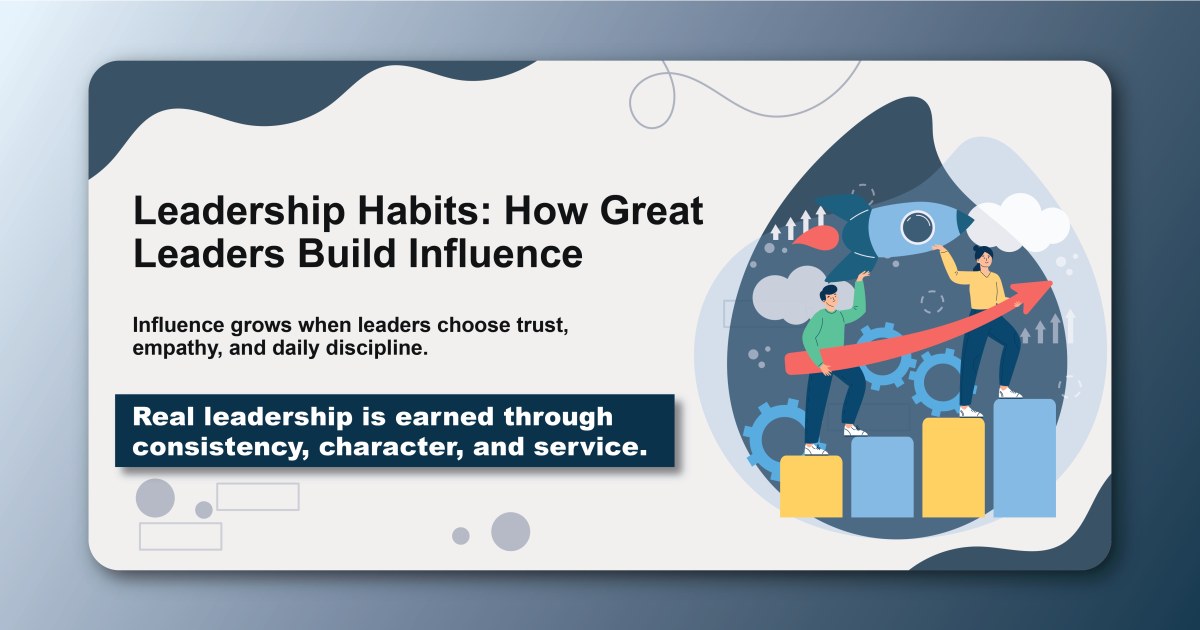
Great leaders aren't born with exceptional influence—they build it through consistent daily habits that demonstrate their character, competence, and commitment to others. While leadership positions may be appointed, true leadership influence is earned through small, repeated actions that inspire trust, respect, and followership. The most effective leaders understand that influence is not about authority or title, but about the daily practices that show others they can be trusted to guide, support, and elevate those around them.
Leadership influence is built on a foundation of authenticity, consistency, and service to others. It develops through countless interactions where leaders choose to listen rather than talk, to support rather than criticize, to take responsibility rather than assign blame, and to invest in others' success rather than focus solely on their own advancement. These choices, made repeatedly over time, create the deep trust and respect that form the basis of genuine influence.
The habits of influential leaders often seem simple on the surface, but their power lies in their consistent application and the genuine intent behind them. When leaders consistently demonstrate that they care about their team members as individuals, that they can be counted on to make difficult decisions with integrity, and that they're committed to the success of the organization and its people, they build the kind of influence that motivates voluntary followership rather than mere compliance.
Modern leadership requires a shift from command-and-control approaches to influence-based leadership that inspires and empowers others. This means developing habits that build relationships, create psychological safety, foster innovation, and enable others to do their best work. It means becoming the kind of person others want to follow not because they have to, but because they choose to.
This comprehensive guide explores the specific daily habits that great leaders use to build lasting influence, provides practical strategies for developing these habits, and shows how anyone can cultivate leadership influence regardless of their current position or title. Whether you're a formal leader or an aspiring one, these habits will help you develop the influence needed to create positive change and inspire others.
The Foundation of Leadership Influence
Understanding True Leadership Influence
Influence vs. Authority Authority comes from position and title, while influence comes from character, competence, and relationships. True leadership influence transcends organizational hierarchy.
Trust as the Currency of Influence All leadership influence is built on trust, which is earned through consistent alignment between words and actions over time.
Reciprocal Nature of Influence Great leaders understand that influence is reciprocal—they influence others while remaining open to being influenced themselves.
Service-Oriented Leadership The most powerful influence comes from leaders who focus on serving others and helping them achieve their goals.
Core Leadership Principles
Character Before Competence While competence is important, character is the foundation of lasting leadership influence.
Consistency Creates Credibility Leadership influence is built through consistent behavior that others can rely on and predict.
Vulnerability Builds Connection Leaders who show appropriate vulnerability create deeper connections and trust with their teams.
Growth Mindset Influential leaders model continuous learning and growth, showing others that development is an ongoing journey.
Daily Relationship Building Habits
One-on-One Connection Practices
Active Listening Make genuine listening your default mode in all interactions, seeking to understand before being understood.
Listening Practices:
- Give full attention without checking devices or multitasking
- Ask follow-up questions to demonstrate interest and understanding
- Reflect back what you've heard to confirm comprehension
- Remember and follow up on personal details and concerns
- Create space for others to express their thoughts completely
Personal Investment Show genuine interest in team members as individuals, not just as employees.
Investment Strategies:
- Learn about team members' career goals and aspirations
- Remember important personal events and milestones
- Ask about challenges and offer support
- Celebrate individual achievements and growth
- Connect people's work to their personal values and interests
Regular Check-ins Establish consistent patterns of meaningful communication with team members.
Check-in Approaches:
- Schedule regular one-on-one meetings focused on development
- Take informal walks or coffee conversations
- Create open-door policies that are genuinely welcoming
- Use brief daily check-ins to stay connected
- Follow up on previous conversations and commitments
Team Building and Culture Development
Psychological Safety Creation Develop habits that create an environment where people feel safe to speak up, take risks, and make mistakes.
Safety Building Practices:
- Respond positively to questions and concerns
- Thank people for bringing up problems or challenges
- Share your own mistakes and learning experiences
- Defend team members when they take reasonable risks
- Create forums for open discussion and feedback
Recognition and Appreciation Consistently acknowledge and appreciate the contributions of others.
Recognition Habits:
- Give specific, timely feedback about good work
- Publicly acknowledge team members' contributions
- Write personal thank-you notes for exceptional effort
- Celebrate both individual and team achievements
- Share credit generously and take responsibility for failures
Communication and Influence Habits
Authentic Communication Practices
Transparent Communication Share information openly and honestly, building trust through transparency.
Transparency Practices:
- Share company information that affects the team
- Explain the reasoning behind decisions
- Admit when you don't know something
- Communicate both positive and negative developments
- Be honest about challenges and obstacles
Consistent Messaging Ensure your communication is consistent across different audiences and situations.
Consistency Strategies:
- Align your words with your actions
- Deliver the same message to different groups
- Follow through on commitments and promises
- Maintain your values under pressure
- Be reliable in your communication patterns
Inspirational Vision Sharing Regularly communicate vision and purpose in ways that inspire and motivate others.
Vision Communication:
- Connect daily work to larger organizational purpose
- Paint compelling pictures of future possibilities
- Use stories and examples to make vision tangible
- Help others see their role in achieving the vision
- Regularly reinforce key messages and themes
Feedback and Development Habits
Constructive Feedback Delivery Develop skills for giving feedback that helps people grow and improve.
Feedback Best Practices:
- Focus on behavior and impact rather than personality
- Provide specific examples and suggestions for improvement
- Balance constructive feedback with recognition
- Create development opportunities based on feedback
- Follow up to support ongoing improvement
Coaching Conversations Engage in regular coaching conversations that help others develop their capabilities.
Coaching Approaches:
- Ask powerful questions that promote self-discovery
- Help others identify their own solutions
- Provide guidance and resources for development
- Support stretch assignments and new challenges
- Celebrate progress and growth
Decision-Making and Problem-Solving Habits
Inclusive Decision-Making
Stakeholder Input Gathering Consistently seek input from relevant stakeholders before making important decisions.
Input Gathering Practices:
- Identify all stakeholders affected by decisions
- Create multiple channels for input and feedback
- Ask specific questions to gather targeted insights
- Consider diverse perspectives and viewpoints
- Synthesize input into clear decision factors
Collaborative Problem-Solving Involve others in problem-solving processes to build ownership and better solutions.
Collaborative Approaches:
- Bring teams together to tackle challenges
- Facilitate brainstorming and ideation sessions
- Encourage creative thinking and innovation
- Build on others' ideas and suggestions
- Create cross-functional problem-solving teams
Decision Communication Clearly communicate decisions and the reasoning behind them.
Communication Strategies:
- Explain the decision-making process used
- Share the key factors that influenced the decision
- Acknowledge input that was considered
- Address concerns and questions about decisions
- Provide clear next steps and expectations
Accountability and Responsibility
Personal Accountability Model accountability by taking responsibility for your decisions and their outcomes.
Accountability Practices:
- Own mistakes and failures publicly
- Learn from setbacks and share lessons learned
- Make amends when necessary
- Follow through on all commitments
- Hold yourself to the same standards you expect from others
Team Accountability Create systems and cultures that promote accountability throughout the team.
Team Accountability Systems:
- Set clear expectations and standards
- Create regular check-ins and progress reviews
- Address performance issues promptly and fairly
- Support team members in meeting their commitments
- Celebrate accountability and responsibility
Innovation and Growth Habits
Continuous Learning and Adaptation
Personal Learning Commitment Demonstrate ongoing commitment to learning and growth through daily practices.
Learning Practices:
- Read leadership and industry publications regularly
- Attend conferences, workshops, and training programs
- Seek feedback from peers, mentors, and team members
- Experiment with new approaches and methods
- Reflect on experiences and extract lessons learned
Encouraging Innovation Create environments and opportunities that encourage innovation and creative thinking.
Innovation Encouragement:
- Ask "what if" questions regularly
- Support experimentation and calculated risks
- Provide resources for innovation projects
- Celebrate creative attempts, even when they don't succeed
- Connect team members with external sources of inspiration
Change Leadership Develop habits that help you lead change effectively and support others through transitions.
Change Leadership Practices:
- Communicate the need for change clearly
- Involve others in planning and implementing change
- Address resistance with empathy and understanding
- Provide support and resources during transitions
- Model adaptability and resilience
Empowerment and Development
Delegation with Development Use delegation as an opportunity to develop others while achieving results.
Developmental Delegation:
- Match assignments to development goals
- Provide clear expectations and success criteria
- Offer support and resources without micromanaging
- Create learning opportunities through stretch assignments
- Debrief experiences to maximize learning
Succession Planning Actively develop others to take on greater responsibilities and leadership roles.
Succession Development:
- Identify high-potential team members
- Create development plans for emerging leaders
- Provide mentoring and coaching support
- Offer exposure to senior leadership and key stakeholders
- Gradually increase responsibilities and autonomy
Building Organizational Influence
Cross-Functional Relationship Building
Stakeholder Engagement Build relationships with key stakeholders across the organization.
Engagement Strategies:
- Schedule regular meetings with peer leaders
- Participate in cross-functional projects and initiatives
- Attend organizational events and meetings
- Share resources and expertise with other departments
- Collaborate on strategic initiatives and planning
Network Development Actively build and maintain professional networks both inside and outside the organization.
Network Building:
- Attend industry conferences and events
- Join professional associations and leadership groups
- Maintain relationships with former colleagues
- Connect with thought leaders and experts
- Participate in mentoring and coaching relationships
Organizational Culture Influence
Values Modeling Consistently demonstrate organizational values through your actions and decisions.
Values Demonstration:
- Make decisions that align with stated values
- Address behavior that conflicts with values
- Recognize and celebrate values-based behavior
- Use values as criteria for hiring and promotion decisions
- Share stories that illustrate values in action
Culture Shaping Actively work to shape organizational culture in positive directions.
Culture Shaping Activities:
- Model the behaviors you want to see in others
- Create rituals and practices that reinforce desired culture
- Address cultural issues promptly and directly
- Hire and promote people who fit the desired culture
- Measure and track cultural indicators
Measuring and Developing Leadership Influence
Influence Assessment
360-Degree Feedback Regularly seek feedback from all directions to understand your leadership effectiveness.
Feedback Sources:
- Direct reports and team members
- Peers and colleagues
- Senior leaders and supervisors
- External partners and stakeholders
- Customers and clients when appropriate
Influence Indicators Monitor specific indicators that reflect your leadership influence.
Key Indicators:
- Team engagement and satisfaction scores
- Retention and recruitment success
- Innovation and improvement initiatives
- Cross-functional collaboration effectiveness
- Organizational reputation and respect
Continuous Development
Leadership Development Planning Create systematic approaches to developing your leadership capabilities.
Development Planning:
- Assess current leadership strengths and gaps
- Set specific leadership development goals
- Create action plans with timelines and milestones
- Seek mentoring and coaching support
- Track progress and adjust plans as needed
Influence Expansion Systematically work to expand your influence within and beyond your organization.
Expansion Strategies:
- Take on high-visibility projects and initiatives
- Speak at conferences and industry events
- Write articles and thought leadership pieces
- Mentor and develop other emerging leaders
- Participate in community and industry leadership
Building leadership influence is a long-term process that requires consistent daily habits focused on serving others and creating value. The most influential leaders are those who focus less on accumulating power and more on empowering others to achieve their potential. They understand that true influence comes not from what they can make others do, but from what they inspire others to want to do.
The habits outlined in this guide provide a framework for developing the kind of leadership influence that creates positive change, inspires excellence, and builds lasting organizational success. Remember that leadership influence is earned daily through small actions that demonstrate your commitment to others and to the values you espouse.
Whether you're in a formal leadership position or aspiring to one, these habits will help you build the influence needed to make a meaningful impact on the people and organizations you serve. The key is to start where you are, focus on serving others, and consistently demonstrate the character and competence that inspire others to follow.
Ready to build your leadership influence through proven daily habits? Start developing your leadership practice with Habityzer and discover how consistent actions can transform your ability to inspire, influence, and lead others toward shared success.