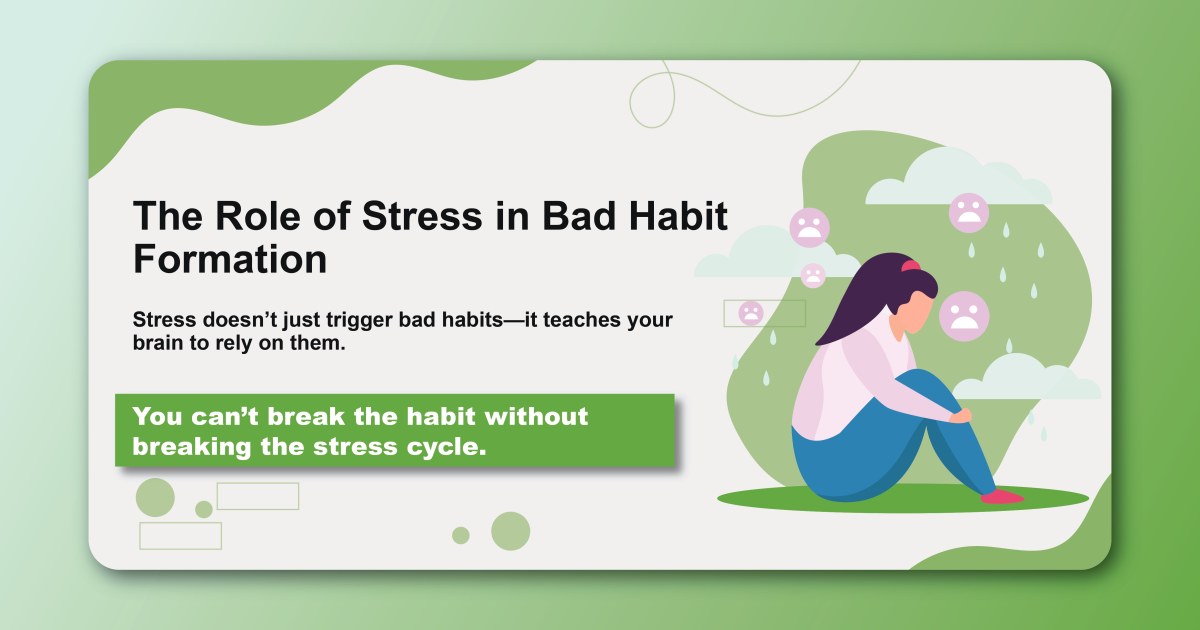
Stress is one of the most powerful drivers of bad habit formation and maintenance. When we're under pressure, our brains naturally seek relief through familiar patterns, often leading us to engage in behaviors that provide temporary comfort but long-term problems. Understanding the relationship between stress and bad habits is crucial for anyone trying to break free from unwanted behaviors and build healthier coping mechanisms.
The connection between stress and bad habits operates through both neurological and psychological pathways. When stressed, our brains release cortisol and other stress hormones that can hijack our decision-making processes, making us more likely to choose immediate relief over long-term benefits. This biological response, combined with learned patterns of behavior, creates a powerful cycle where stress triggers bad habits, which may temporarily reduce stress but ultimately create more problems.
Many bad habits begin as stress-relief mechanisms that actually work in the short term. Smoking can reduce anxiety, emotional eating can provide comfort, procrastination can temporarily avoid overwhelming tasks, and mindless scrolling can distract from difficult emotions. These behaviors become problematic not because they don't work at all, but because they create negative consequences that generate more stress over time.
The stress-habit cycle becomes self-reinforcing: stress triggers the bad habit, the habit provides temporary relief, but the consequences of the habit create more stress, which triggers more of the bad habit. Breaking this cycle requires understanding how stress affects your behavior and developing alternative coping strategies that address stress without creating additional problems.
This comprehensive guide explores how stress contributes to bad habit formation, examines the neurological and psychological mechanisms involved, and provides practical strategies for managing stress-related habits. Whether you're dealing with stress eating, procrastination, substance use, or other stress-induced behaviors, these insights will help you develop healthier ways to cope with life's pressures.
Understanding the Stress-Habit Connection
The Neuroscience of Stress and Habits
Stress Response System When we encounter stress, our bodies activate the hypothalamic-pituitary-adrenal (HPA) axis, releasing cortisol and other stress hormones. These hormones prepare us for immediate action but can impair the prefrontal cortex's ability to make rational decisions.
Impaired Decision-Making Chronic stress reduces activity in the prefrontal cortex while increasing activity in the limbic system, particularly the amygdala. This shift makes us more reactive and less able to consider long-term consequences when making decisions.
Dopamine and Reward-Seeking Stress increases dopamine release in response to rewarding stimuli, making bad habits feel more satisfying and harder to resist during stressful periods.
Habit Loop Strengthening Stress strengthens the neural pathways associated with habitual behaviors, making automatic responses more likely and conscious choice-making more difficult.
Types of Stress-Related Habits
Emotional Eating Using food to manage emotions rather than hunger, often involving high-calorie comfort foods that provide temporary mood enhancement.
Substance Use Turning to alcohol, nicotine, or other substances to manage stress, anxiety, or emotional discomfort.
Procrastination and Avoidance Delaying or avoiding stressful tasks through distraction activities like social media, entertainment, or other time-wasting behaviors.
Compulsive Behaviors Engaging in repetitive behaviors like shopping, gambling, or excessive cleaning as ways to feel control or distraction from stress.
Digital Escape Using technology, social media, or entertainment as ways to avoid dealing with stressful situations or emotions.
The Stress-Habit Cycle
Stage 1: Stress Trigger
Acute Stress Events Specific stressful situations like work deadlines, relationship conflicts, or unexpected challenges that trigger immediate habit responses.
Chronic Stress Conditions Ongoing stressful situations like job dissatisfaction, financial problems, or health concerns that create persistent trigger conditions.
Emotional Stress Internal emotional states like anxiety, depression, loneliness, or boredom that create psychological pressure seeking relief.
Stage 2: Habit Activation
Automatic Response Stress triggers learned behavioral patterns that have previously provided relief, often bypassing conscious decision-making.
Seeking Relief The brain seeks familiar patterns that have previously reduced stress or provided comfort, even when these patterns are ultimately harmful.
Reduced Impulse Control Stress reduces our ability to resist impulses and make thoughtful decisions, making bad habits more likely.
Stage 3: Temporary Relief
Immediate Gratification The bad habit provides immediate relief from stress, discomfort, or negative emotions, reinforcing the behavior.
Neurochemical Reward Engaging in the habit releases dopamine and other neurotransmitters that create feelings of pleasure or relief.
Stress Reduction The habit temporarily reduces cortisol levels and stress symptoms, providing biological reinforcement.
Stage 4: Consequence and Increased Stress
Negative Consequences The bad habit creates problems like health issues, relationship strain, financial costs, or reduced productivity.
Guilt and Shame Engaging in behaviors that conflict with values or goals creates additional emotional stress.
Cycle Reinforcement The consequences of the bad habit create more stress, which triggers more of the bad habit, creating a self-perpetuating cycle.
Common Stress-Related Bad Habits
Emotional and Comfort Eating
Stress-Eating Patterns Using food to manage emotions rather than physical hunger, often involving high-calorie, high-sugar, or high-fat comfort foods.
Triggers:
- Work stress and deadlines
- Relationship conflicts
- Financial worries
- Social anxiety
- Boredom or loneliness
Consequences:
- Weight gain and health problems
- Guilt and shame about eating
- Disrupted hunger and satiety cues
- Increased stress about food and body image
Procrastination and Avoidance
Stress-Driven Procrastination Delaying important tasks because they feel overwhelming, creating more stress and continuing the cycle.
Avoidance Behaviors:
- Social media scrolling
- Excessive TV watching
- Cleaning or organizing as distraction
- Unnecessary research or planning
- Social withdrawal
Consequences:
- Increased deadline pressure
- Reduced quality of work
- Missed opportunities
- Decreased self-confidence
- Relationship and career problems
Substance Use for Stress Relief
Alcohol and Stress Using alcohol to "unwind" from stress, which can develop into dependence and create additional problems.
Nicotine and Anxiety Smoking or vaping to manage stress and anxiety, despite long-term health consequences.
Prescription Medication Misuse Using medications like anxiety or sleep aids beyond prescribed amounts to manage stress.
Consequences:
- Physical health problems
- Dependence and addiction
- Impaired decision-making
- Financial costs
- Relationship and work problems
Digital Escape and Technology Overuse
Social Media Stress Relief Using social media to distract from stress or seek validation, often leading to comparison and more stress.
Gaming and Entertainment Excessive gaming or entertainment consumption to avoid dealing with stressful situations.
Online Shopping Impulse buying as a way to feel better during stressful periods.
Consequences:
- Wasted time and missed opportunities
- Increased social comparison and anxiety
- Financial problems
- Disrupted sleep and daily routines
- Decreased real-world social connection
Breaking the Stress-Habit Cycle
Stress Awareness and Management
Stress Recognition Develop awareness of your personal stress signals and triggers before they lead to bad habits.
Stress Signals:
- Physical: tension, headaches, fatigue, changes in appetite
- Emotional: irritability, anxiety, sadness, overwhelm
- Behavioral: social withdrawal, changes in sleep, restlessness
- Cognitive: racing thoughts, difficulty concentrating, negative self-talk
Stress Monitoring Track your stress levels and patterns to identify when you're most vulnerable to bad habits.
Monitoring Techniques:
- Daily stress ratings (1-10 scale)
- Stress trigger identification
- Mood and energy tracking
- Sleep and exercise monitoring
- Habit occurrence correlation
Healthy Stress Management Strategies
Immediate Stress Relief Develop quick, healthy ways to manage acute stress when it occurs.
Immediate Relief Techniques:
- Deep breathing exercises
- Progressive muscle relaxation
- Brief physical activity or stretching
- Mindfulness or meditation
- Calling a supportive friend
Long-term Stress Management Build comprehensive strategies for managing chronic stress and building resilience.
Long-term Strategies:
- Regular exercise and physical activity
- Adequate sleep and rest
- Healthy nutrition and hydration
- Social connection and support
- Time management and organization
- Professional stress management counseling
Replacement Habit Development
Identify Habit Functions Understand what your stress-related bad habits are trying to accomplish so you can find healthier alternatives.
Common Habit Functions:
- Emotional regulation and comfort
- Distraction from difficult situations
- Sense of control or accomplishment
- Social connection or validation
- Energy or mood enhancement
Develop Healthy Replacements Create alternative behaviors that serve the same functions as your bad habits but without negative consequences.
Replacement Examples:
- Replace stress eating with herbal tea and healthy snacks
- Replace procrastination with task breakdown and scheduling
- Replace substance use with exercise or meditation
- Replace digital escape with creative hobbies or social activities
- Replace shopping with budgeting or gratitude practices
Advanced Stress Management Techniques
Cognitive Stress Management
Cognitive Restructuring Change the way you think about stressful situations to reduce their emotional impact.
Cognitive Techniques:
- Challenge catastrophic thinking
- Reframe problems as challenges or opportunities
- Practice perspective-taking
- Focus on what you can control
- Develop realistic expectations
Mindfulness and Acceptance Use mindfulness practices to observe stress without automatically reacting with bad habits.
Mindfulness Practices:
- Meditation and breathing exercises
- Body awareness and scanning
- Mindful eating and daily activities
- Acceptance of difficult emotions
- Present-moment awareness
Lifestyle Stress Reduction
Environmental Modifications Change your environment to reduce stress triggers and support healthy coping.
Environmental Changes:
- Organize and declutter living and work spaces
- Create calm, peaceful environments
- Reduce exposure to stressful media and information
- Establish boundaries with stressful people or situations
- Design environments that support healthy habits
Routine and Structure Develop consistent routines that provide stability and reduce daily stress.
Routine Benefits:
- Reduced decision fatigue
- Increased sense of control
- Better time management
- Improved sleep and self-care
- Greater resilience to unexpected stressors
Social Support and Professional Help
Building Support Networks Develop relationships that provide emotional support and practical help during stressful times.
Support Network Components:
- Close friends and family members
- Professional colleagues or mentors
- Support groups or communities
- Mental health professionals
- Online communities and resources
Professional Stress Management Seek professional help when stress becomes overwhelming or when bad habits feel out of control.
Professional Resources:
- Therapists specializing in stress and anxiety
- Stress management coaches
- Support groups for specific habits
- Medical professionals for stress-related health issues
- Employee assistance programs
Creating a Stress-Resilient Lifestyle
Building Resilience
Resilience Factors Develop characteristics that help you bounce back from stress and maintain healthy habits.
Resilience Building:
- Develop problem-solving skills
- Build emotional regulation abilities
- Maintain optimistic but realistic outlook
- Cultivate meaningful relationships
- Engage in activities that provide purpose and meaning
Stress Inoculation Gradually expose yourself to manageable stress while practicing healthy coping strategies.
Inoculation Strategies:
- Set challenging but achievable goals
- Practice stress management techniques regularly
- Build confidence through small successes
- Develop multiple coping strategies
- Learn from stress management failures
Prevention and Maintenance
Early Intervention Identify and address stress before it leads to bad habits.
Prevention Strategies:
- Regular stress monitoring and assessment
- Proactive stress management
- Healthy lifestyle maintenance
- Strong support system utilization
- Professional help when needed
Relapse Prevention Develop strategies for managing setbacks and returning to healthy habits when stress leads to temporary lapses.
Relapse Prevention:
- Expect and plan for difficult periods
- Develop specific strategies for high-stress situations
- Build in accountability and support
- Focus on progress rather than perfection
- Learn from setbacks to strengthen future responses
Understanding the role of stress in bad habit formation is essential for creating lasting behavior change. Stress will always be a part of life, but it doesn't have to control your habits and choices. By developing healthy stress management strategies, building resilience, and creating supportive environments, you can break the stress-habit cycle and maintain positive behaviors even during challenging times.
Remember that changing stress-related habits is a process that takes time and patience. Focus on building a comprehensive toolkit of healthy coping strategies rather than trying to eliminate stress entirely. With consistent practice and the right support, you can transform your relationship with stress and develop habits that support your long-term well-being and success.
The key is to address both the stress and the habits simultaneously—managing stress reduces the triggers for bad habits, while developing healthy habits provides better ways to cope with inevitable life stressors.
Ready to break free from stress-driven bad habits? Start building healthier stress management strategies with Habityzer and discover how to transform your relationship with stress while developing sustainable, positive coping mechanisms.