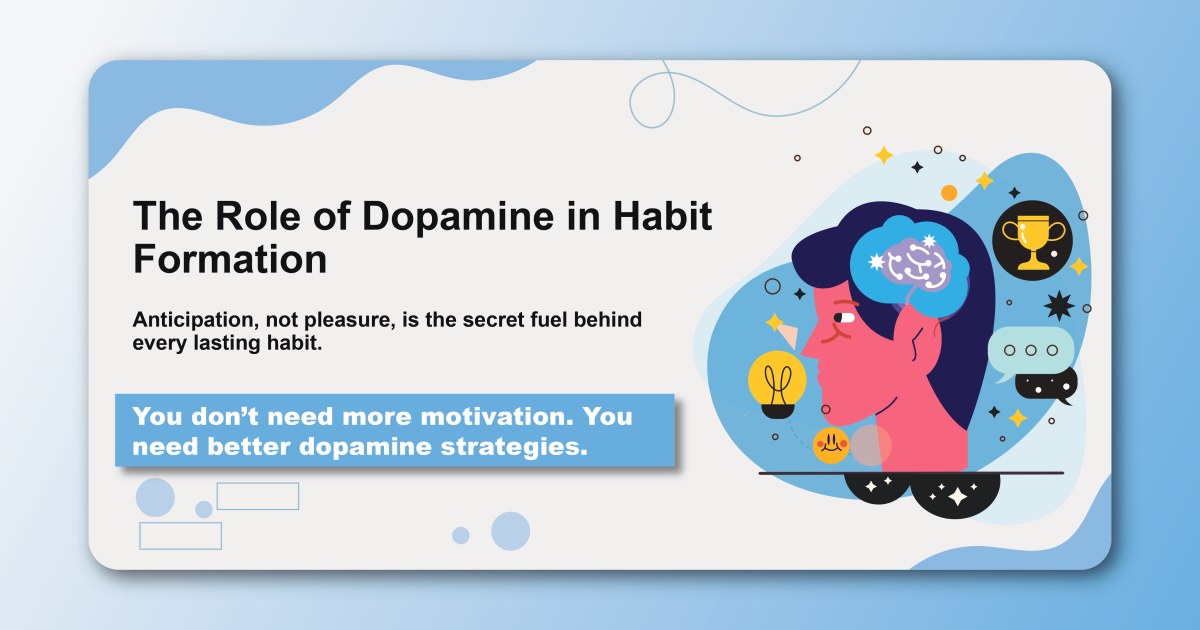
Dopamine is often called the "feel-good" neurotransmitter, but this description barely scratches the surface of its true role in your brain. When it comes to habit formation, dopamine isn't just about pleasure—it's the master conductor orchestrating the entire habit-building process.
Understanding how dopamine works in habit formation isn't just fascinating science; it's practical knowledge that can transform how you build good habits and break bad ones. In this comprehensive guide, we'll explore the surprising truth about dopamine, debunk common myths, and show you how to work with your brain's reward system rather than against it.
What Dopamine Actually Does (It's Not What You Think)
The Pleasure Myth
Most people think dopamine is the "pleasure chemical"—that it makes you feel good when you experience something enjoyable. This common misconception has led to countless failed attempts at habit change because people try to make habits "more pleasurable" rather than understanding dopamine's true function.
The Reality: Dopamine isn't about pleasure—it's about anticipation and learning.
Dopamine's True Role
Dopamine serves three critical functions in habit formation:
- Prediction: It helps your brain predict future rewards
- Motivation: It drives you to take action toward expected rewards
- Learning: It reinforces behaviors that lead to rewards
The Key Insight: Dopamine levels are highest before you get a reward, not during the reward itself. This anticipation is what drives habit formation.
The Dopamine Cycle in Habit Formation
Phase 1: Cue Detection
When you encounter a habit cue (like seeing your running shoes), your brain immediately releases dopamine based on its prediction of the reward to come. This dopamine surge creates the urge to act.
Example:
- Cue: You see your guitar in the corner
- Dopamine Response: Brain anticipates the satisfaction of playing
- Result: You feel motivated to pick up the guitar
Phase 2: Anticipation and Motivation
The dopamine release creates a feeling of wanting—not liking, but wanting. This is what psychologists call "incentive salience"—the motivational pull that drives you toward the behavior.
What You Experience:
- Restlessness until you complete the habit
- Difficulty focusing on other tasks
- Increasing urge to perform the behavior
- Physical sensations of anticipation
Phase 3: Action and Learning
When you complete the habit and receive the reward, dopamine levels actually drop below baseline if the reward matches expectations. However, if the reward exceeds expectations, dopamine surges again, strengthening the habit loop.
Learning Process:
- Expected reward: Dopamine drops, habit maintains
- Better than expected: Dopamine surges, habit strengthens
- Worse than expected: Dopamine crashes, habit weakens
The Science of Dopamine and Habits
Dopamine Pathways in the Brain
Your brain has several dopamine pathways, but two are crucial for habit formation:
Mesolimbic Pathway (Reward System):
- Connects ventral tegmental area (VTA) to nucleus accumbens
- Processes reward prediction and motivation
- Drives the "wanting" sensation
- Most active during habit formation phase
Nigrostriatal Pathway (Action System):
- Connects substantia nigra to striatum
- Controls automatic movement patterns
- Becomes dominant as habits strengthen
- Responsible for habit execution
The Dopamine Learning Process
Surprise and Prediction Error: Dopamine neurons fire when rewards are better than expected and pause when they're worse. This "prediction error" signal is how your brain learns:
- Positive prediction error: Reward > expectation → habit strengthens
- Negative prediction error: Reward < expectation → habit weakens
- Zero prediction error: Reward = expectation → habit maintains
Example:
- Week 1: First workout feels great → dopamine surge → habit strengthens
- Week 4: Workout feels normal → no dopamine surge → habit maintains
- Week 8: Workout feels boring → dopamine drop → habit at risk
How Different Habits Affect Dopamine
High-Dopamine Habits (Potentially Addictive)
These habits trigger large dopamine releases and can become compulsive:
Digital Habits:
- Social media scrolling
- Video gaming
- Online shopping
- YouTube/Netflix binging
Consumption Habits:
- Junk food eating
- Alcohol consumption
- Shopping for pleasure
- Gambling behaviors
Why They're Problematic:
- Unpredictable rewards (variable ratio reinforcement)
- Instant gratification
- Designed to maximize dopamine release
- Can hijack natural reward systems
Low-Dopamine Habits (Healthy but Challenging)
These habits provide smaller, delayed dopamine rewards:
Health Habits:
- Exercise routines
- Healthy eating
- Meditation practice
- Reading books
Productivity Habits:
- Deep work sessions
- Daily planning
- Skill practice
- Learning new subjects
Why They're Challenging:
- Delayed gratification
- Effort required upfront
- Smaller immediate dopamine rewards
- Compete with high-dopamine alternatives
Leveraging Dopamine for Better Habit Formation
Strategy 1: Create Anticipation
Since dopamine is highest during anticipation, build excitement before your habits:
Pre-Habit Rituals:
- Prepare your environment the night before
- Create visual cues that trigger anticipation
- Use countdown timers or pre-habit routines
- Visualize the satisfaction of completion
Example:
- Lay out workout clothes the night before
- Create an energizing pre-workout playlist
- Visualize how good you'll feel after exercising
- Use a ritual like drinking pre-workout or stretching
Strategy 2: Optimize the Reward
Make sure your habit rewards are satisfying and slightly unpredictable:
Immediate Rewards:
- Track progress visually (checking off completed habits)
- Celebrate small wins immediately
- Use satisfying completion rituals
- Share accomplishments with others
Variable Rewards:
- Occasionally exceed your minimum habit
- Try new variations of the same habit
- Reward yourself unpredictably
- Create surprise elements in your routine
Strategy 3: Use Dopamine Stacking
Link new habits to existing high-dopamine activities:
After High-Dopamine Activities:
- Read after checking social media
- Exercise after morning coffee
- Meditate after exciting music
- Plan after watching motivational content
Before High-Dopamine Activities:
- Work out before Netflix
- Read before social media
- Meditate before checking email
- Plan before entertainment
Strategy 4: Reduce Competing Dopamine
Minimize high-dopamine distractions that compete with your habits:
Environmental Design:
- Remove or hide high-dopamine distractions
- Use website blockers during habit time
- Create dopamine-free zones in your home
- Schedule specific times for high-dopamine activities
Dopamine Fasting:
- Periodically reduce high-dopamine activities
- Take breaks from social media and entertainment
- Practice delayed gratification
- Increase appreciation for simple pleasures
The Dark Side of Dopamine
Dopamine Hijacking
Modern technology and marketing deliberately exploit dopamine pathways:
How It Works:
- Variable rewards: Unpredictable reinforcement schedules
- Social validation: Likes, comments, and shares
- Novelty: Constantly changing content and experiences
- Instant gratification: Immediate reward delivery
The Problem:
- Raises your dopamine baseline
- Makes natural rewards feel less satisfying
- Creates tolerance and craving
- Interferes with long-term habit formation
Dopamine Tolerance
Just like drug tolerance, your brain adapts to frequent dopamine stimulation:
Signs of Dopamine Tolerance:
- Need more stimulation to feel motivated
- Difficulty enjoying simple pleasures
- Procrastination on important tasks
- Addiction to high-stimulation activities
Recovery Strategies:
- Reduce high-dopamine activities temporarily
- Practice mindfulness and presence
- Engage in low-stimulation activities
- Focus on intrinsic rather than extrinsic rewards
Practical Dopamine Strategies for Specific Habits
Exercise Habits
Pre-Workout Dopamine:
- Create an energizing playlist
- Visualize your post-workout feeling
- Use a favorite pre-workout routine
- Set small, achievable workout goals
During-Workout Dopamine:
- Track metrics in real-time
- Celebrate small improvements
- Use interval training for variety
- Exercise with friends for social rewards
Post-Workout Dopamine:
- Immediately log your workout
- Take progress photos
- Share accomplishments
- Reward yourself with something you enjoy
Learning Habits
Pre-Learning Dopamine:
- Set up an inspiring learning environment
- Review previous progress
- Set specific learning goals
- Use curiosity-building techniques
During-Learning Dopamine:
- Break learning into small chunks
- Celebrate understanding moments
- Use varied learning methods
- Connect new information to interests
Post-Learning Dopamine:
- Test your knowledge immediately
- Teach someone else what you learned
- Apply the knowledge practically
- Track your learning progress
Creative Habits
Pre-Creative Dopamine:
- Set up your creative space
- Review previous creative work
- Set small creative challenges
- Use inspiring music or environment
During-Creative Dopamine:
- Focus on the process, not perfection
- Celebrate creative breakthroughs
- Experiment with new techniques
- Share work-in-progress with others
Post-Creative Dopamine:
- Step back and appreciate your work
- Share completed projects
- Reflect on creative growth
- Plan next creative projects
Understanding Dopamine Timing
The Dopamine Curve
Dopamine follows a predictable pattern throughout habit formation:
Week 1-2: High dopamine from novelty and initial progress Week 3-4: Dopamine drops as novelty wears off (danger zone) Week 5-8: Dopamine stabilizes at lower levels Week 9+: Dopamine from identity and long-term benefits
Managing the Dopamine Dip
The 3-4 week period is critical for habit formation because dopamine drops:
Strategies for Week 3-4:
- Prepare for the motivation drop
- Rely on systems, not feelings
- Add variety to prevent boredom
- Focus on identity-based rewards
- Seek social support and accountability
Warning Signs:
- Sudden loss of motivation
- Skipping habit days
- Questioning the habit's value
- Feeling like the habit is boring
Long-Term Dopamine Strategies
Transition from Extrinsic to Intrinsic:
- Start with external rewards and tracking
- Gradually shift to internal satisfaction
- Connect habits to personal values
- Focus on identity and character development
Sustainable Dopamine Sources:
- Progress toward meaningful goals
- Skill development and mastery
- Social connection and contribution
- Personal growth and self-improvement
The Role of Dopamine in Breaking Bad Habits
Understanding Bad Habit Dopamine
Bad habits often exploit dopamine more effectively than good habits:
Why Bad Habits Are Powerful:
- Immediate dopamine release
- Variable reward schedules
- Easy accessibility
- Designed to maximize addiction potential
Dopamine Replacement Strategy
Instead of fighting bad habits directly, replace their dopamine source:
Replacement Process:
- Identify the dopamine trigger: What craving does the bad habit satisfy?
- Find healthy alternatives: What good habit can provide similar dopamine?
- Make the switch: Replace the bad habit with the good alternative
- Reinforce the new pattern: Ensure the replacement is satisfying
Example:
- Bad habit: Social media scrolling for dopamine
- Trigger: Boredom and need for stimulation
- Replacement: Reading interesting articles or books
- Reinforcement: Track reading progress and share insights
Reducing Bad Habit Dopamine
Environmental Changes:
- Remove or hide triggers for bad habits
- Add friction to bad habit performance
- Create delays between cue and bad habit
- Replace environmental cues with good habit triggers
Timing Strategies:
- Identify peak craving times
- Schedule good habits during vulnerable periods
- Use the "10-minute rule" for bad habit urges
- Practice delayed gratification techniques
Measuring Your Dopamine Health
Signs of Healthy Dopamine Function
Motivation Indicators:
- Excitement about future goals
- Ability to delay gratification
- Enjoyment of simple pleasures
- Natural curiosity and learning drive
Habit Indicators:
- Consistent habit performance
- Intrinsic motivation for good habits
- Ability to resist bad habit urges
- Satisfaction from habit completion
Signs of Dopamine Dysfunction
Warning Signs:
- Difficulty starting important tasks
- Need for constant stimulation
- Inability to enjoy simple activities
- Procrastination on long-term goals
Behavioral Indicators:
- Compulsive checking of devices
- Difficulty maintaining good habits
- Craving for high-stimulation activities
- Neglecting important responsibilities
Dopamine and Habit Tracking
Why Tracking Works
Habit tracking is effective because it provides regular dopamine hits:
The Tracking Dopamine Loop:
- Anticipation: Looking forward to checking off the habit
- Completion: Satisfaction of marking the habit as done
- Progress: Seeing patterns and streaks develop
- Achievement: Reaching milestones and goals
Optimizing Tracking for Dopamine
Visual Systems:
- Use satisfying visual representations
- Create clear progress indicators
- Celebrate milestones visually
- Share progress with others
Timing Strategies:
- Track immediately after habit completion
- Use daily and weekly review sessions
- Celebrate streaks and consistency
- Plan rewards for major milestones
Gamification Elements:
- Create levels and achievements
- Use point systems and rewards
- Compete with friends or communities
- Set challenges and goals
Building a Dopamine-Friendly Habit System
System Design Principles
Immediate Feedback:
- Track habits immediately after completion
- Use visual progress indicators
- Celebrate small wins consistently
- Create satisfying completion rituals
Progressive Difficulty:
- Start with easily achievable habits
- Gradually increase challenge levels
- Maintain optimal difficulty for engagement
- Avoid overwhelming or boring extremes
Social Integration:
- Share progress with accountability partners
- Join habit-building communities
- Celebrate achievements with others
- Use social pressure for motivation
Technology and Tools
Apps That Leverage Dopamine:
- Habit tracking apps: Immediate feedback and progress visualization
- Gamification platforms: Points, levels, and achievements
- Social networks: Sharing and accountability features
- Productivity tools: Task completion and project progress
Analog Tools:
- Physical trackers: Satisfying physical checking off
- Visual charts: Clear progress representation
- Reward systems: Tangible rewards for achievements
- Environmental cues: Physical reminders and triggers
The Future of Dopamine and Habit Formation
Emerging Research
Personalized Dopamine Profiles:
- Individual differences in dopamine sensitivity
- Genetic factors affecting reward processing
- Personalized habit formation strategies
- Customized reward and motivation systems
Technology Integration:
- Wearable devices tracking dopamine indicators
- AI-powered habit coaching systems
- Virtual reality habit training environments
- Biofeedback systems for real-time optimization
Practical Applications
Precision Habit Formation:
- Personalized reward schedules
- Optimized habit timing based on individual patterns
- Customized motivation strategies
- Adaptive habit systems that learn and improve
Your Dopamine Action Plan
Week 1: Assessment and Awareness
Evaluate Your Current Dopamine Patterns:
- Track your motivation levels throughout the day
- Identify high and low dopamine activities
- Notice when you feel most motivated for good habits
- Observe your response to different types of rewards
Audit Your Environment:
- List high-dopamine distractions in your environment
- Identify competing dopamine sources
- Assess your current reward systems
- Evaluate your habit tracking methods
Week 2: Optimization
Enhance Good Habit Dopamine:
- Add anticipation-building elements to your habits
- Create satisfying completion rituals
- Implement immediate tracking and feedback
- Share your progress with others
Reduce Competing Dopamine:
- Remove or limit high-dopamine distractions
- Create dopamine-free zones and times
- Practice delayed gratification
- Focus on intrinsic rewards
Week 3-4: Implementation and Refinement
Test and Adjust:
- Experiment with different reward schedules
- Try various motivation strategies
- Adjust based on what works for you
- Stay flexible and adaptive
Monitor and Measure:
- Track habit consistency and motivation
- Notice changes in your reward sensitivity
- Adjust strategies based on results
- Celebrate progress and learning
Ongoing: Mastery and Maintenance
Develop Dopamine Wisdom:
- Understand your personal dopamine patterns
- Balance stimulation with restoration
- Maintain healthy dopamine function
- Help others understand dopamine and habits
Conclusion: Working with Your Brain's Reward System
Understanding dopamine's role in habit formation is like having a user manual for your brain's motivation system. Rather than fighting against your neurobiology, you can work with it to build lasting habits and break destructive ones.
Key Takeaways:
- Dopamine is about anticipation, not pleasure
- Timing matters: Dopamine peaks before rewards, not during
- Prediction errors drive learning: Surprise strengthens habits
- Competition exists: High-dopamine activities can hijack your system
- You can optimize: Strategic use of dopamine improves habit formation
Remember:
- Your brain is designed to seek rewards—use this to your advantage
- Small, consistent dopamine hits are more effective than large, rare ones
- Environmental design can significantly impact your dopamine patterns
- Balance stimulation with restoration for optimal function
- Long-term habit success comes from transitioning to intrinsic rewards
Start by understanding your personal dopamine patterns, then gradually optimize your environment and habits to work with your brain's natural reward system. The result will be stronger, more sustainable habits that feel natural and enjoyable rather than forced.
Ready to build habits that work with your brain's reward system? Start optimizing your dopamine for habit success with Habityzer and discover how our platform uses neuroscience-based principles to make habit formation easier and more effective.