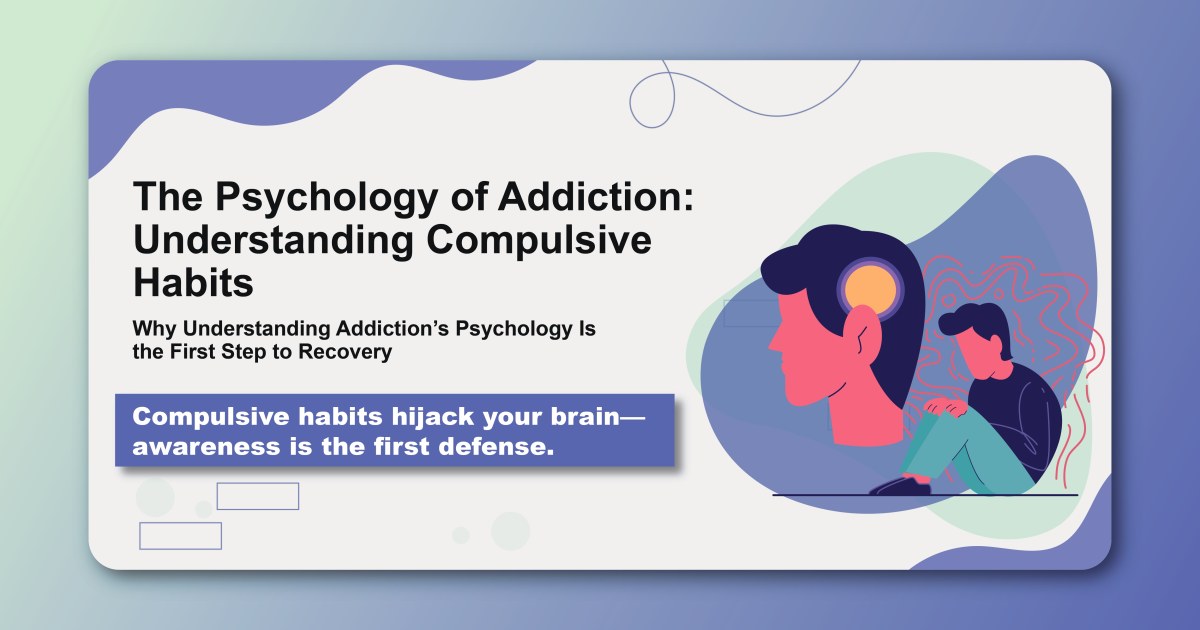
The line between a strong habit and an addiction can sometimes seem blurred, but understanding the psychological and neurological differences is crucial for anyone struggling with compulsive behaviors. While regular habits are behaviors we perform automatically in response to triggers, addictive behaviors involve a loss of control, continued engagement despite negative consequences, and intense cravings that can dominate decision-making processes.
Addiction isn't just about substances—it can involve behaviors, activities, and even thought patterns that become compulsive and self-destructive. Whether it's compulsive shopping, excessive social media use, gambling, workaholism, or any other behavior that continues despite harmful consequences, understanding the psychology behind addiction is essential for breaking free from these patterns.
The distinction between habit and addiction lies primarily in the degree of control and the presence of negative consequences. Habits can be beneficial, neutral, or mildly problematic, and we generally retain the ability to modify or stop them when we choose to focus on the change. Addiction, however, involves a hijacking of the brain's reward and decision-making systems that makes voluntary control extremely difficult.
Compulsive habits often begin as regular behaviors that provide pleasure, stress relief, or other benefits. However, through repeated activation of the brain's reward pathways, these behaviors can become neurologically entrenched in ways that override rational decision-making. The brain adapts to the behavior by changing its neurochemistry, making the addictive behavior feel necessary for normal functioning.
This comprehensive guide explores the psychological mechanisms behind addiction and compulsive habits, examines how these differ from regular habit formation, and provides insights into the recovery process. Understanding these concepts isn't just academic—it's practical knowledge that can help you recognize when habits have become compulsive and develop more effective strategies for creating lasting change.
Whether you're dealing with your own compulsive behaviors or trying to understand someone else's struggle with addiction, this exploration of the psychology behind compulsive habits will provide valuable insights into one of the most challenging aspects of human behavior change.
The Neuroscience of Addiction
Brain Systems and Addiction
The Reward System Addiction primarily involves dysregulation of the brain's reward system, particularly the dopamine pathways that connect the ventral tegmental area (VTA) to the nucleus accumbens and prefrontal cortex. This system evolved to reinforce behaviors essential for survival, but addictive substances and behaviors can hijack these pathways.
Dopamine Dysregulation In addiction, dopamine release becomes associated with the addictive behavior rather than natural rewards. Over time, the brain reduces its baseline dopamine production, making normal activities feel less rewarding while the addictive behavior becomes increasingly necessary to feel normal.
Tolerance and Dependence The brain adapts to repeated exposure by reducing sensitivity to the rewarding effects, requiring increased intensity or frequency of the behavior to achieve the same satisfaction. This tolerance leads to escalation and eventual dependence.
The Prefrontal Cortex and Decision-Making Addiction impairs the prefrontal cortex's ability to make rational decisions and control impulses. This brain region, responsible for executive function and long-term planning, becomes less active in addiction, making it harder to resist compulsive urges.
Neuroplasticity and Habit Formation
Strengthened Neural Pathways Addictive behaviors create exceptionally strong neural pathways that become increasingly automatic and difficult to change. These pathways can remain dormant for years and reactivate under stress or exposure to triggers.
Stress Response System Addiction alters the brain's stress response system, making individuals more sensitive to stress and more likely to use the addictive behavior as a coping mechanism. This creates a cycle where stress triggers the behavior, which temporarily relieves stress but ultimately increases overall stress levels.
Memory and Learning Systems The brain's memory systems become hijacked by addiction, creating powerful associations between environmental cues and the addictive behavior. These cue-reactivity responses can trigger intense cravings years after the behavior has stopped.
Neuroplasticity and Recovery The same neuroplasticity that allows addiction to develop also enables recovery. With consistent abstinence and new behavioral patterns, the brain can gradually restore healthier neural pathways and reward system functioning.
Types of Compulsive Habits
Behavioral Addictions
Technology and Digital Addictions Compulsive use of social media, video games, online shopping, or general internet browsing that interferes with daily life and relationships.
Digital Addiction Characteristics:
- Inability to control usage despite negative consequences
- Withdrawal symptoms when access is restricted
- Tolerance requiring increased usage for satisfaction
- Neglect of responsibilities and relationships
- Continued use despite awareness of problems
Gambling and Risk-Taking Behaviors Compulsive gambling, day trading, or other high-risk activities that provide excitement and potential reward but lead to significant losses.
Shopping and Spending Compulsions Compulsive shopping, hoarding, or financial behaviors that provide temporary emotional relief but create long-term financial and emotional problems.
Food and Eating Compulsions Compulsive eating, binge eating, or other food-related behaviors that continue despite negative health consequences and emotional distress.
Process Addictions
Work and Achievement Addictions Compulsive working, perfectionism, or achievement-seeking that interferes with health, relationships, and overall well-being.
Relationship and Social Addictions Compulsive people-pleasing, codependency, or social media attention-seeking that creates unhealthy relationship patterns.
Exercise and Body Image Compulsions Compulsive exercise, extreme dieting, or body modification behaviors that become harmful to physical and mental health.
Information and Learning Compulsions Compulsive research, news consumption, or information gathering that interferes with decision-making and action-taking.
The Addiction Cycle
Stage 1: Initiation and Experimentation
Initial Positive Experience The addictive behavior initially provides genuine benefits—stress relief, pleasure, social connection, or other positive outcomes that reinforce repetition.
Vulnerability Factors Certain individuals are more susceptible to developing addictive behaviors due to genetic predisposition, environmental factors, trauma history, or co-occurring mental health conditions.
Environmental and Social Influences Social environment, peer pressure, cultural norms, and availability of the addictive behavior all influence the likelihood of initial engagement and continued use.
Stage 2: Regular Use and Habit Formation
Pattern Development The behavior becomes regular and integrated into daily routines, often serving specific functions like stress management, entertainment, or social connection.
Tolerance Building The brain begins adapting to the behavior, requiring increased frequency or intensity to achieve the same level of satisfaction or relief.
Functional Integration The behavior becomes a primary coping mechanism for dealing with stress, negative emotions, or challenging life circumstances.
Stage 3: Compulsive Use and Loss of Control
Craving and Preoccupation Thoughts about the behavior become intrusive and frequent, with significant mental energy devoted to planning, anticipating, or engaging in the behavior.
Continued Use Despite Consequences The behavior continues even when it causes clear negative consequences in relationships, work, health, or other important life areas.
Inability to Stop Multiple attempts to stop or reduce the behavior fail, often leading to feelings of helplessness, shame, and decreased self-efficacy.
Stage 4: Addiction and Dependence
Physical and Psychological Dependence The behavior becomes necessary for feeling normal, with withdrawal symptoms occurring when the behavior is stopped or reduced.
Life Disruption The behavior significantly interferes with major life activities, relationships, and responsibilities.
Identity Integration The addictive behavior becomes integrated into personal identity, making change feel threatening to sense of self.
Breaking Free from Compulsive Habits
Recognition and Awareness
Honest Self-Assessment Acknowledge the true extent of the problem and its impact on your life, relationships, and well-being.
Assessment Questions:
- Do I continue this behavior despite negative consequences?
- Have I repeatedly failed to stop or reduce this behavior?
- Do I experience cravings or intense urges related to this behavior?
- Has this behavior interfered with my relationships or responsibilities?
- Do I feel like I've lost control over this behavior?
Professional Evaluation Consider seeking professional assessment to determine the severity of the problem and develop an appropriate treatment plan.
Detoxification and Withdrawal
Understanding Withdrawal Recognize that stopping compulsive behaviors often involves uncomfortable withdrawal symptoms, including anxiety, irritability, depression, and intense cravings.
Withdrawal Management:
- Gradual reduction when medically appropriate
- Professional supervision for severe addictions
- Symptom management strategies
- Support system activation
- Healthy coping mechanism development
Timeline Expectations Understand that withdrawal symptoms are typically most intense in the first few days to weeks, with gradual improvement over time.
Comprehensive Treatment Approaches
Cognitive-Behavioral Therapy (CBT) CBT helps identify and change thought patterns and behaviors that maintain addiction, developing healthier coping strategies and relapse prevention skills.
Mindfulness-Based Interventions Mindfulness practices help develop awareness of cravings and triggers while building the capacity to observe urges without acting on them.
Dialectical Behavior Therapy (DBT) DBT teaches emotional regulation skills, distress tolerance, and interpersonal effectiveness, particularly helpful for individuals with emotional dysregulation.
Motivational Interviewing This approach helps individuals explore their ambivalence about change and develop internal motivation for recovery.
Support Systems and Community
12-Step Programs Programs like Alcoholics Anonymous, Narcotics Anonymous, and their behavioral equivalents provide peer support and structured recovery approaches.
Professional Support Addiction counselors, therapists, and psychiatrists can provide specialized treatment and medication when appropriate.
Family and Friends Supportive relationships are crucial for recovery, though professional help may be needed to address relationship damage caused by addiction.
Recovery Communities Online and in-person communities of people in recovery provide ongoing support, accountability, and shared experience.
Relapse Prevention and Long-term Recovery
Understanding Relapse
Relapse as Process Relapse typically begins with emotional and mental changes before behavioral relapse occurs, providing opportunities for intervention.
Relapse Stages:
- Emotional relapse: Increased stress, isolation, and unhealthy coping
- Mental relapse: Thoughts about using, planning, or bargaining
- Physical relapse: Return to the addictive behavior
Common Triggers Stress, interpersonal conflict, negative emotions, exposure to cues, and overconfidence in recovery can all trigger relapse.
Relapse Prevention Strategies
Trigger Identification and Management Develop awareness of personal triggers and create specific strategies for managing high-risk situations.
Coping Skills Development Build a toolkit of healthy coping strategies for managing stress, negative emotions, and challenging situations.
Lifestyle Changes Create comprehensive lifestyle changes that support recovery, including healthy routines, social connections, and meaningful activities.
Ongoing Support Maintain connections with support systems, professional help, and recovery communities throughout the recovery process.
Building a Recovery-Oriented Life
Identity Reconstruction Develop a new identity that doesn't center around the addictive behavior, exploring values, interests, and goals beyond addiction.
Meaningful Activities Engage in activities that provide purpose, accomplishment, and satisfaction, replacing the functions previously served by the addictive behavior.
Relationship Repair Work on rebuilding trust and healthy relationships that may have been damaged by addiction.
Continuous Growth View recovery as an ongoing process of growth and development rather than simply the absence of the addictive behavior.
Special Considerations for Behavioral Addictions
Abstinence vs. Moderation
Complete Abstinence Some behavioral addictions require complete abstinence from the behavior, particularly when any engagement triggers compulsive use.
Moderation Approaches Other behavioral addictions may be manageable through controlled, moderate use, particularly when the behavior is necessary for daily life (like technology use).
Individual Assessment The choice between abstinence and moderation should be made based on individual circumstances, severity of addiction, and past success with different approaches.
Environmental Modifications
Trigger Elimination Remove or modify environmental cues that trigger compulsive behavior, such as deleting apps, blocking websites, or changing physical environments.
Accessibility Reduction Make the addictive behavior less accessible by adding barriers, delays, or complications to engagement.
Alternative Environment Creation Create environments that support healthy behaviors and make them more accessible and attractive than addictive alternatives.
Technology and Modern Challenges
Digital Wellness Develop healthy relationships with technology, including smartphones, social media, and online activities that are increasingly designed to be addictive.
Information Overload Manage the constant stream of information and stimulation that can contribute to compulsive behaviors and attention difficulties.
Social Media and Comparison Address the psychological impacts of social media use, including comparison, validation seeking, and fear of missing out.
Understanding the psychology of addiction and compulsive habits is essential for anyone struggling with behaviors that feel out of control. Addiction is not a moral failing or lack of willpower—it's a complex neurological and psychological condition that requires comprehensive treatment and ongoing support.
The key to breaking free from compulsive habits lies in understanding the underlying mechanisms, seeking appropriate help, and developing comprehensive strategies that address both the neurological and psychological aspects of addiction. Recovery is possible, but it typically requires professional support, lifestyle changes, and ongoing commitment to growth and healing.
Remember that addiction affects not just the individual but also their relationships and community. Recovery is not just about stopping the problematic behavior—it's about building a fulfilling life that doesn't require the addictive behavior to manage stress, emotions, or life challenges.
If you recognize signs of compulsive behavior in yourself or someone you care about, don't hesitate to seek professional help. Early intervention can prevent more severe consequences and make recovery more manageable and successful.
Struggling with compulsive habits or behavioral patterns that feel out of control? Discover supportive resources and tools with Habityzer to help you build healthier patterns and break free from problematic behaviors through evidence-based strategies and community support.