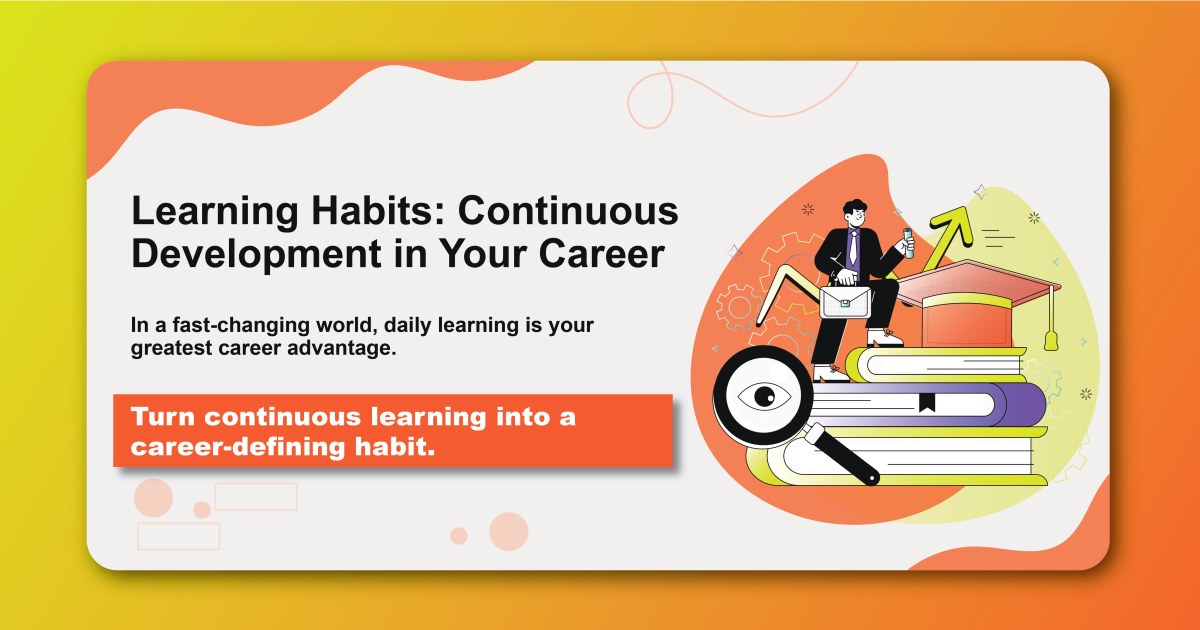
In today's rapidly evolving workplace, continuous learning isn't just an advantage—it's a necessity for career survival and growth. The half-life of skills is shrinking across industries, with technical skills becoming obsolete in as little as two years and even soft skills requiring regular updating to remain relevant. Professionals who develop strong learning habits position themselves not only to adapt to change but to lead it, creating opportunities for advancement and professional fulfillment that wouldn't otherwise exist.
The most successful professionals treat learning as a daily practice rather than an occasional activity. They understand that waiting for formal training programs or external requirements means falling behind in a competitive marketplace. Instead, they cultivate learning habits that make skill development as natural as checking email or attending meetings. These habits create a compounding effect where each new skill or piece of knowledge builds upon previous learning, creating exponential rather than linear growth.
Effective learning habits in the modern workplace go beyond traditional approaches like reading books or attending seminars. They include strategic knowledge acquisition, practical application, peer learning, teaching others, and systematic reflection on experiences. They also involve learning how to learn more effectively, developing meta-cognitive skills that make all future learning faster and more efficient.
The key to successful continuous learning lies in creating systems that make learning sustainable and enjoyable rather than overwhelming. This means integrating learning into existing routines, focusing on high-impact skills, and creating feedback loops that reinforce learning and application. It also means developing the ability to identify what's worth learning and what isn't, ensuring that learning time is invested in areas that will create the most value.
This comprehensive guide explores the daily habits that transform learning from an occasional activity into a consistent practice that accelerates career growth. Whether you're looking to advance in your current field, transition to a new role, or stay current with industry changes, these habits will help you build a learning practice that supports your long-term success and adaptability.
The Foundation of Continuous Learning
Understanding Modern Learning Needs
Accelerating Change The pace of change in most industries requires continuous adaptation and skill development to remain relevant and competitive.
Skill Obsolescence Traditional career paths based on fixed skill sets are being replaced by dynamic careers requiring continuous learning and adaptation.
Learning Agility The ability to learn quickly and apply new knowledge effectively has become one of the most valuable professional skills.
Knowledge Half-Life The time it takes for knowledge to become obsolete is shrinking, making continuous learning essential for career sustainability.
Learning Habit Principles
Consistency Over Intensity Regular, modest learning efforts are more effective than sporadic intensive study sessions.
Application-Focused Learning Learning is most effective when it can be immediately applied to real-world situations and challenges.
Multi-Modal Learning Combining different learning approaches (reading, listening, practicing, teaching) enhances retention and understanding.
Reflection and Integration Regular reflection on learning experiences helps integrate new knowledge with existing understanding.
Daily Learning Practices
Structured Learning Habits
Morning Learning Routine Dedicate the first 15-30 minutes of each day to focused learning activities.
Morning Learning Strategies:
- Read industry publications and newsletters
- Listen to educational podcasts during commutes
- Review and study one new concept or skill
- Complete online course modules or training
- Practice new software or tools
Microlearning Sessions Break learning into small, manageable chunks that can be completed throughout the day.
Microlearning Approaches:
- 5-minute skill practice sessions
- Quick tutorial videos during breaks
- Flashcard reviews for technical concepts
- Brief article reading between meetings
- Skill-building apps during downtime
Learning Documentation Develop systems for capturing and organizing what you learn to maximize retention and application.
Documentation Methods:
- Maintain a learning journal or notebook
- Create digital knowledge bases or wikis
- Write summaries of key concepts and insights
- Build personal reference libraries
- Create quick-reference guides for complex topics
Practical Application Habits
Immediate Application Apply new learning to current projects and challenges as quickly as possible.
Application Strategies:
- Look for opportunities to use new skills immediately
- Volunteer for projects that require new capabilities
- Experiment with new approaches in low-risk situations
- Create practice projects to test new knowledge
- Seek feedback on application of new skills
Teaching and Sharing Reinforce learning by teaching others and sharing knowledge with colleagues.
Teaching Approaches:
- Explain new concepts to colleagues
- Write internal blog posts or documentation
- Lead lunch-and-learn sessions
- Mentor others in areas of expertise
- Create training materials for team members
Problem-Solving Practice Use new learning to solve real-world problems and challenges.
Problem-Solving Methods:
- Apply new frameworks to existing challenges
- Use new tools to improve current processes
- Experiment with different approaches to familiar problems
- Seek complex problems that require new skills
- Collaborate with others to solve challenging issues
Strategic Learning Development
Skill Gap Analysis
Current State Assessment Regularly assess your current skills and knowledge to identify areas for development.
Assessment Methods:
- Conduct honest self-evaluations of capabilities
- Seek feedback from supervisors and colleagues
- Compare your skills to job requirements and industry standards
- Identify gaps between current and desired roles
- Use assessment tools and skill inventories
Future State Planning Identify the skills and knowledge you'll need for future career goals.
Planning Strategies:
- Research requirements for target roles and industries
- Analyze trends in your field to predict future needs
- Identify transferable skills that apply across situations
- Set specific learning goals with timelines
- Create development plans with measurable objectives
Priority Setting Focus learning efforts on the most important and impactful skills.
Priority Criteria:
- Alignment with career goals and aspirations
- Relevance to current role and responsibilities
- Market demand and career opportunities
- Personal interest and motivation
- Potential for skill transferability
Learning Resource Optimization
Resource Identification Identify and evaluate the best learning resources for your needs and preferences.
Resource Types:
- Online courses and platforms (Coursera, LinkedIn Learning, Udemy)
- Industry publications and journals
- Professional conferences and workshops
- Mentors and subject matter experts
- Peer learning groups and communities
Resource Evaluation Assess learning resources for quality, relevance, and effectiveness.
Evaluation Criteria:
- Content quality and accuracy
- Relevance to your goals and needs
- Learning format and accessibility
- Cost and time investment required
- Reviews and recommendations from others
Learning Path Development Create structured learning paths that build skills systematically.
Path Planning:
- Sequence learning from basic to advanced concepts
- Identify prerequisite knowledge and skills
- Create learning timelines and milestones
- Plan for practical application opportunities
- Include assessment and evaluation points
Professional Learning Networks
Peer Learning Communities
Professional Groups Join and actively participate in professional learning communities.
Community Engagement:
- Attend professional association meetings
- Participate in industry forums and discussions
- Join online communities and social media groups
- Engage in peer learning circles
- Volunteer for professional organizations
Study Groups Form or join study groups focused on specific skills or knowledge areas.
Study Group Strategies:
- Organize groups around specific learning objectives
- Share resources and insights with group members
- Discuss and debate concepts and applications
- Work on group projects and challenges
- Hold each other accountable for learning goals
Mentorship Networks Build relationships with mentors who can guide your learning and development.
Mentorship Approaches:
- Seek mentors with expertise in areas you want to develop
- Offer to mentor others in your areas of strength
- Participate in formal mentorship programs
- Build informal advisor relationships
- Create advisory boards for career guidance
Expert Connections
Industry Experts Connect with and learn from recognized experts in your field.
Expert Engagement:
- Follow thought leaders on social media
- Attend presentations and workshops by experts
- Read books and articles by industry leaders
- Participate in expert-led online discussions
- Seek opportunities for direct interaction
Internal Experts Identify and learn from experts within your organization.
Internal Learning:
- Schedule informational interviews with internal experts
- Attend internal training and development sessions
- Participate in cross-functional projects
- Seek stretch assignments with expert guidance
- Build relationships with high-performing colleagues
Technology-Enhanced Learning
Digital Learning Tools
Learning Management Systems Use digital platforms to organize and track your learning progress.
Platform Features:
- Course catalogs and learning paths
- Progress tracking and analytics
- Social learning and collaboration tools
- Mobile access for learning on-the-go
- Integration with professional development planning
Microlearning Apps Leverage mobile apps for convenient, bite-sized learning sessions.
App Categories:
- Language learning (Duolingo, Babbel)
- Technical skills (Codecademy, Khan Academy)
- Business skills (MasterClass, Blinkist)
- General knowledge (TED-Ed, Coursera)
- Professional certifications (LinkedIn Learning, Pluralsight)
Virtual Reality and Simulations Explore immersive learning experiences for complex skills.
VR Learning Applications:
- Technical skills training and simulations
- Soft skills practice in virtual environments
- Safety training and emergency procedures
- Complex process understanding
- Collaborative virtual learning experiences
Personalized Learning Systems
Adaptive Learning Technologies Use AI-powered systems that adapt to your learning style and pace.
Adaptive Features:
- Personalized learning paths based on performance
- Intelligent content recommendations
- Adaptive testing and assessment
- Progress optimization based on learning analytics
- Personalized feedback and coaching
Learning Analytics Track and analyze your learning patterns to optimize effectiveness.
Analytics Applications:
- Time spent on different learning activities
- Retention rates for different content types
- Performance trends over time
- Learning style preferences
- Skill development progress
Measuring and Optimizing Learning
Learning Assessment
Skill Validation Regularly assess and validate your learning progress through various methods.
Assessment Approaches:
- Take practice tests and quizzes
- Complete practical projects and assignments
- Seek feedback from supervisors and peers
- Pursue professional certifications
- Participate in skill competitions and challenges
Performance Metrics Track specific metrics to measure learning effectiveness.
Learning Metrics:
- Skills acquired and proficiency levels
- Certifications and credentials earned
- Projects completed using new skills
- Feedback and recognition received
- Career advancement and opportunities
Continuous Improvement
Learning Reflection Regularly reflect on your learning experiences to identify what works best.
Reflection Questions:
- What learning methods are most effective for me?
- How well am I retaining and applying new knowledge?
- What obstacles are preventing effective learning?
- How can I make learning more efficient and enjoyable?
- What adjustments should I make to my learning approach?
Learning Optimization Continuously refine your learning habits and strategies based on results.
Optimization Strategies:
- Experiment with different learning methods
- Adjust learning schedules and time allocation
- Modify learning environments and contexts
- Update learning goals based on career changes
- Incorporate new learning technologies and tools
Building effective learning habits is one of the most valuable investments you can make in your career. In a world where change is constant and skills become obsolete quickly, the ability to learn continuously and effectively becomes a crucial competitive advantage. The habits outlined in this guide provide a framework for making learning a natural part of your daily routine rather than an occasional activity.
Remember that effective learning is not about consuming vast amounts of information but about strategically acquiring knowledge and skills that create value in your career. Focus on application, seek feedback, and maintain a growth mindset that embraces challenges as opportunities for development.
Whether you're early in your career or a seasoned professional, developing strong learning habits will help you stay relevant, create new opportunities, and build a career that adapts and thrives in changing circumstances. The key is to start small, be consistent, and view learning as a lifelong journey rather than a destination.
Ready to accelerate your career through strategic learning habits? Start building your continuous development practice with Habityzer and discover how consistent learning can transform your professional capabilities and create new opportunities for growth and success.