Technology has become so deeply integrated into our daily lives that it's easy to forget what life was like before smartphones, social media, and constant connectivity. While technology offers incredible benefits—instant communication, access to information, and powerful tools for productivity and creativity—it also presents new challenges for our mental health, relationships, and overall well-being.
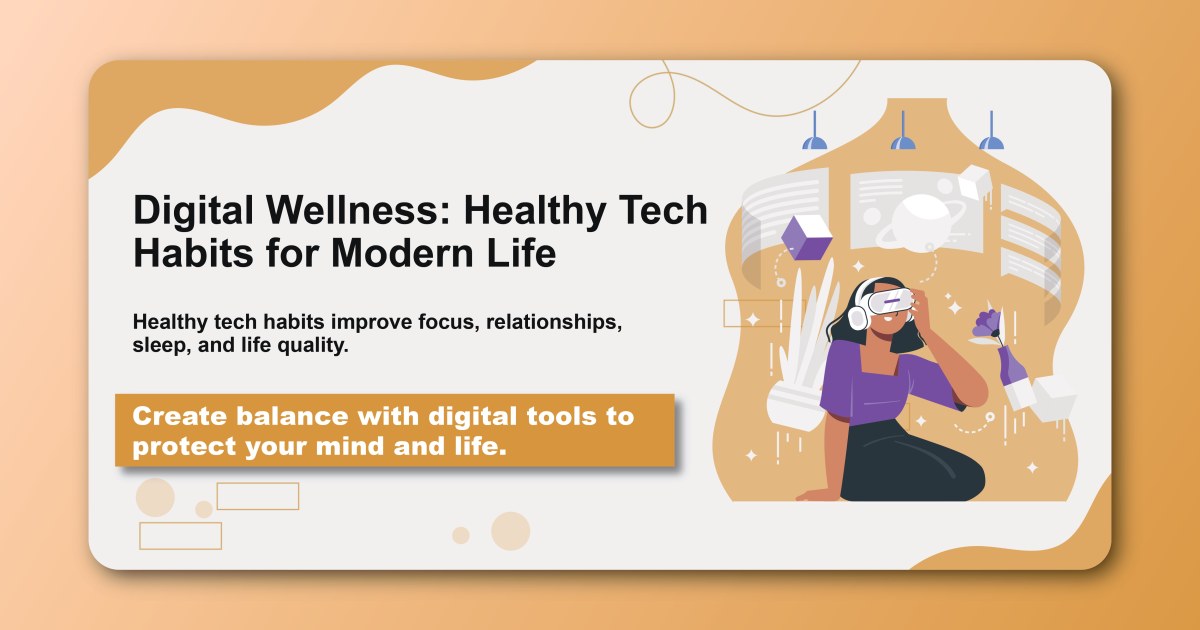
Digital wellness isn't about rejecting technology entirely; it's about developing a conscious, healthy relationship with digital tools that enhances rather than detracts from your life. When technology serves you rather than controlling you, it becomes a powerful ally in achieving your goals and maintaining your well-being.
The key to digital wellness lies in developing awareness of how technology affects you personally and creating intentional habits that support your physical health, mental clarity, and emotional balance. This means being mindful about when, how, and why you use digital devices, and creating boundaries that protect your time, attention, and energy.
Research shows that excessive or unconscious technology use can lead to anxiety, depression, sleep disruption, and decreased life satisfaction. However, when approached mindfully, technology can support your health goals, enhance your relationships, and contribute to your overall life satisfaction. The difference lies in the habits you build around your digital life.
Understanding Digital Wellness
The Impact of Technology on Well-being
Mental Health Effects
- Excessive social media use is linked to increased anxiety and depression
- Constant notifications can create chronic stress and fragmented attention
- Digital comparison on social platforms can reduce self-esteem and life satisfaction
- Information overload can lead to decision fatigue and cognitive overwhelm
Physical Health Impacts
- Blue light exposure from screens can disrupt sleep patterns and circadian rhythms
- Poor posture from device use can cause neck pain, back problems, and headaches
- Sedentary behavior associated with screen time can impact cardiovascular health
- Eye strain from prolonged screen use can cause vision problems
Relationship and Social Effects
- Device use during conversations can reduce empathy and emotional connection
- Social media can create superficial connections that replace deeper relationships
- Constant availability can blur work-life boundaries and increase stress
- Digital communication can sometimes lack the nuance of face-to-face interaction
Cognitive and Attention Effects
- Multitasking with devices can reduce productivity and increase errors
- Constant stimulation can decrease ability to focus deeply on single tasks
- Information overload can impair decision-making and critical thinking
- Reduced tolerance for boredom can limit creativity and self-reflection
The Benefits of Mindful Technology Use
Enhanced Productivity
- Focused device use can improve work efficiency and quality
- Digital tools can support goal achievement and habit formation
- Technology can automate routine tasks and free up mental energy
- Apps and tools can provide valuable insights and feedback
Improved Relationships
- Mindful communication can enhance connection and understanding
- Technology can help maintain long-distance relationships
- Digital tools can facilitate meaningful shared experiences
- Conscious social media use can support community building
Personal Growth and Learning
- Access to educational resources and skill-building opportunities
- Apps for meditation, fitness, and personal development
- Digital tools for tracking progress and maintaining motivation
- Online communities for support and accountability
Creative Expression
- Digital platforms for artistic and creative pursuits
- Tools for documenting and sharing experiences
- Technology-enabled hobbies and interests
- Platforms for connecting with like-minded individuals
Core Principles of Digital Wellness
Intentional Usage
Purpose-Driven Technology Use Before picking up a device, ask yourself:
- What do I want to accomplish?
- How will this technology use serve my goals?
- What am I hoping to gain from this interaction?
- Is this the best tool for what I'm trying to achieve?
Mindful Consumption
- Choose content that aligns with your values and goals
- Curate your digital environment to support your well-being
- Regularly audit your apps, subscriptions, and digital inputs
- Prioritize quality over quantity in your digital consumption
Time Awareness
- Set specific times for different types of technology use
- Use timers and app limits to maintain awareness of usage
- Practice estimating time spent on devices and checking your accuracy
- Create technology-free periods throughout your day
Healthy Boundaries
Physical Boundaries
- Create device-free zones in your home (bedroom, dining room)
- Use physical separation to reduce unconscious device checking
- Establish specific locations for charging devices overnight
- Create dedicated workspaces that separate personal and professional device use
Temporal Boundaries
- Set specific start and end times for device use
- Create morning and evening routines that don't include screens
- Use "Do Not Disturb" modes to protect focused work time
- Establish technology curfews before bedtime
Emotional Boundaries
- Recognize when technology use is driven by emotions rather than purpose
- Develop alternatives to using devices for emotional regulation
- Practice saying no to digital requests that don't align with your priorities
- Create support systems that don't rely solely on digital communication
Mindful Engagement
Single-Tasking
- Focus on one digital task at a time
- Close unnecessary tabs and applications
- Use full-screen modes to minimize distractions
- Practice completing digital tasks before moving to the next
Conscious Consumption
- Pause before consuming digital content to set intention
- Notice how different types of content affect your mood and energy
- Choose active engagement over passive consumption when possible
- Regularly evaluate whether your digital consumption is serving you
Digital Mindfulness
- Practice present-moment awareness while using devices
- Notice physical sensations and posture during device use
- Take regular breaks to reconnect with your body and environment
- Use technology as a tool for mindfulness rather than escape
Building Healthy Tech Habits
Morning Digital Routines
Delayed Digital Engagement
- Wait at least 30 minutes after waking before checking devices
- Use an analog alarm clock instead of your phone
- Create a morning routine that doesn't involve screens
- Set positive intentions for the day before engaging with technology
Purposeful Morning Tech Use
- Check only essential communications (emergency contacts, critical work updates)
- Use technology to support your morning routine (meditation apps, weather, calendar)
- Limit news consumption to avoid starting the day with stress
- Set daily intentions for how you want to use technology
Morning Boundaries
- Turn off non-essential notifications during morning routines
- Use airplane mode or do not disturb settings when needed
- Create a morning charging station away from your bedroom
- Practice mindful transitions between offline and online activities
Workday Digital Wellness
Focused Work Sessions
- Use techniques like the Pomodoro Technique to structure device use
- Close unnecessary applications and browser tabs
- Turn off non-essential notifications during focused work periods
- Use website blockers or app timers to maintain focus
Mindful Email and Communication
- Check email at set times rather than constantly throughout the day
- Use inbox zero or similar systems to manage digital overwhelm
- Practice mindful communication by reading messages fully before responding
- Set boundaries around response times for non-urgent communications
Digital Breaks
- Take regular breaks from screens to rest your eyes and mind
- Use break time for physical movement or non-digital activities
- Practice the 20-20-20 rule: every 20 minutes, look at something 20 feet away for 20 seconds
- Use break time to connect with colleagues face-to-face when possible
Evening Digital Wind-Down
Screen Curfews
- Set a specific time each evening to stop using devices
- Use blue light filters or night mode on devices in the evening
- Create a charging station outside the bedroom
- Replace evening screen time with relaxing activities
Mindful Evening Consumption
- Choose calming content over stimulating or stressful material
- Limit news and social media consumption before bed
- Use technology to support relaxation (meditation apps, calming music)
- Practice digital gratitude by reflecting on positive interactions
Bedtime Boundaries
- Keep devices out of the bedroom to improve sleep quality
- Use analog alternatives for bedtime routines (books, journals, meditation)
- Create a technology-free wind-down routine
- Charge devices in another room to avoid nighttime disturbances
Managing Social Media Mindfully
Conscious Social Media Use
Intentional Platforms
- Choose social media platforms that align with your values and goals
- Regularly evaluate which platforms serve your well-being
- Limit yourself to platforms that provide genuine value
- Consider taking breaks from platforms that consistently affect you negatively
Mindful Scrolling
- Set specific times for social media use rather than checking throughout the day
- Use timers to limit social media sessions
- Practice conscious scrolling by pausing to reflect on content
- Notice how different types of content affect your mood and thoughts
Content Curation
- Unfollow accounts that consistently make you feel bad about yourself
- Follow accounts that inspire, educate, or bring you joy
- Use mute and filter functions to reduce exposure to negative content
- Regularly review and clean up your social media feeds
Healthy Social Media Habits
Active vs. Passive Use
- Engage actively by commenting, sharing, and creating content
- Limit passive consumption of others' content
- Use social media to connect with others rather than just consume information
- Share content that adds value to your community
Digital Comparison Awareness
- Remember that social media shows curated highlights, not complete reality
- Practice gratitude for your own life rather than comparing to others
- Limit exposure to content that triggers comparison or envy
- Focus on your own journey and progress
Meaningful Connections
- Use social media to deepen existing relationships rather than replace them
- Reach out to people personally rather than just liking their posts
- Share authentically about your own experiences and challenges
- Use social media to support and encourage others
Screen Time Management
Understanding Your Usage Patterns
Digital Awareness
- Use built-in screen time tracking tools to understand your usage patterns
- Track not just time but also the quality of your digital interactions
- Notice which apps and activities consume the most time
- Identify patterns in your usage (stress-driven, boredom-driven, habitual)
Usage Audits
- Regularly review your app usage and delete apps that don't serve you
- Identify which digital activities provide the most value
- Notice which times of day you're most susceptible to mindless scrolling
- Evaluate whether your screen time aligns with your stated priorities
Practical Screen Time Strategies
App Management
- Use app timers and limits to maintain awareness of usage
- Remove social media apps from your home screen
- Turn off non-essential notifications
- Use grayscale mode to reduce the visual appeal of devices
Environmental Design
- Create phone-free zones in your home
- Use a physical alarm clock and watch to reduce phone dependency
- Keep devices in another room during meals and family time
- Create designated spaces for device charging and storage
Alternative Activities
- Develop a list of non-digital activities you enjoy
- Practice replacing digital habits with physical or creative activities
- Use transition activities to shift from screen time to offline time
- Engage in hobbies that don't involve screens
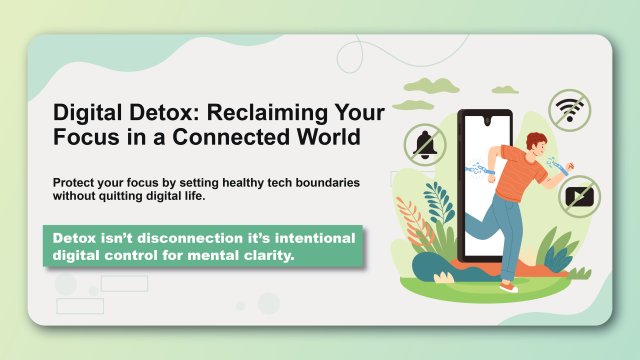
Digital Detox Strategies
Micro-Detoxes
Daily Digital Breaks
- Take 15-30 minute breaks from all devices several times per day
- Use meals as natural opportunities for device-free time
- Practice device-free morning or evening routines
- Create technology-free transition periods between activities
Weekly Digital Sabbaths
- Designate one day per week as a low-tech or no-tech day
- Use this time for in-person connections, nature, reading, or hobbies
- Practice being present without documenting experiences digitally
- Use digital sabbaths to reconnect with offline activities and relationships
Extended Digital Detoxes
Weekend Detoxes
- Take entire weekends off from non-essential technology use
- Use this time for deep work, rest, relationships, or personal projects
- Practice tolerating boredom without immediately reaching for devices
- Notice how extended breaks from technology affect your mood and energy
Vacation and Travel Detoxes
- Use vacations as opportunities to disconnect from routine digital habits
- Set specific times for checking essential communications
- Practice being present during travel and new experiences
- Use travel time for reflection, reading, or connecting with companions
Building Long-Term Digital Wellness
Sustainable Habits
Gradual Changes
- Start with small, manageable changes to your digital habits
- Focus on building one new digital wellness habit at a time
- Celebrate small wins and progress rather than expecting perfection
- Adjust strategies based on what works for your lifestyle and goals
Regular Review and Adjustment
- Regularly assess whether your digital habits are serving your well-being
- Be willing to adjust boundaries and strategies as your life changes
- Stay curious about new tools and approaches to digital wellness
- Seek feedback from friends and family about your digital habits
Creating Support Systems
Social Support
- Share your digital wellness goals with friends and family
- Find accountability partners who share similar values around technology
- Create tech-free social activities and gatherings
- Model healthy digital habits for others
Professional Support
- Consider working with a therapist if digital habits are significantly impacting your well-being
- Explore digital wellness apps and tools that support your goals
- Join online communities focused on digital wellness and mindful technology use
- Seek resources and education about healthy technology use
Advanced Digital Wellness Practices
Mindful Technology Integration
Technology as a Tool for Wellness
- Use apps and devices to support your health and well-being goals
- Integrate technology mindfully into practices like meditation, exercise, and learning
- Use digital tools to track progress and maintain motivation for positive habits
- Leverage technology to connect with communities and resources that support your growth
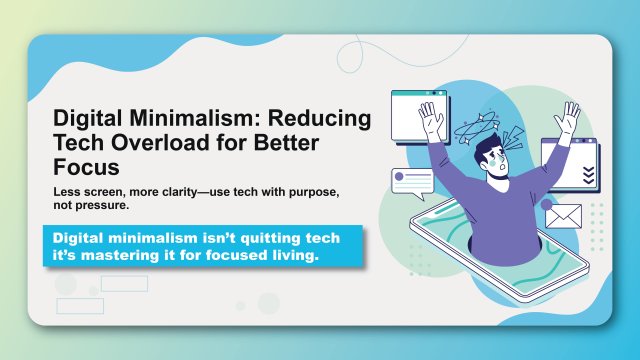
Digital Minimalism
- Regularly evaluate and eliminate digital tools that don't add value to your life
- Focus on using fewer, higher-quality digital tools rather than many mediocre ones
- Practice intentional consumption of digital content and information
- Create simple, streamlined digital systems that support your goals
Advanced Boundary Setting
Contextual Boundaries
- Create different digital rules for different contexts (work, home, social, travel)
- Use location-based settings to automatically adjust device behavior
- Develop personalized strategies for high-stress or challenging situations
- Practice flexibility in your digital wellness approach while maintaining core principles
Values-Based Technology Use
- Align your technology use with your core values and life goals
- Regularly evaluate whether your digital habits support the person you want to become
- Use technology to contribute positively to your community and relationships
- Practice digital citizenship by being mindful of how your online actions affect others
Digital wellness is not about achieving perfect control over technology—it's about developing a conscious, intentional relationship with digital tools that supports your overall well-being. When you approach technology with mindfulness and purpose, it becomes a powerful ally in creating the life you want to live.
The key to digital wellness is recognizing that you have the power to choose how technology fits into your life. By building healthy digital habits, setting appropriate boundaries, and maintaining awareness of how technology affects you, you can harness the benefits of our connected world while protecting your mental health, relationships, and personal growth.
Start with small changes that feel manageable, and remember that digital wellness is an ongoing practice, not a destination. As technology continues to evolve, so too will your strategies for maintaining a healthy relationship with digital tools. The important thing is to remain conscious, intentional, and committed to using technology in ways that truly serve your well-being and life goals.
Ready to cultivate digital wellness and build healthy tech habits? Track your screen time and build mindful technology habits with Habityzer and discover how conscious digital choices can enhance your well-being and life satisfaction.