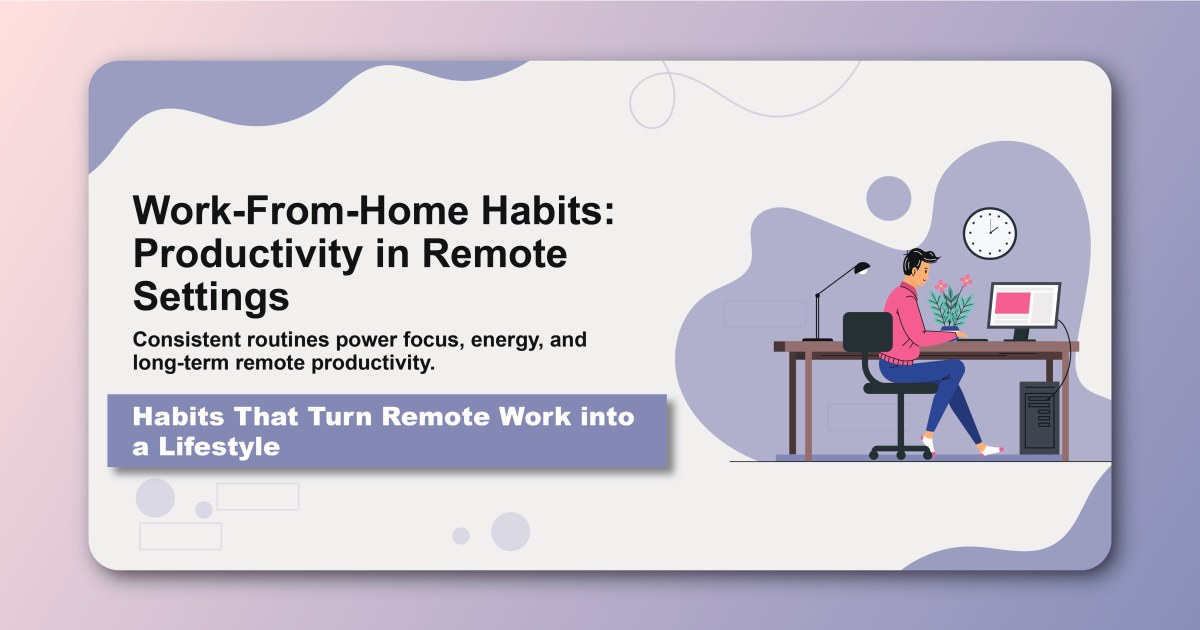
The shift to remote work has fundamentally changed how we approach productivity, routine, and professional boundaries. While working from home offers flexibility and eliminates commute time, it also presents unique challenges that require intentional habit formation to maintain effectiveness. Without the structure of a traditional office environment, many remote workers struggle with distractions, isolation, blurred boundaries between work and personal life, and maintaining the energy and focus needed for high-performance work.
Successful remote work isn't just about having the right technology or a dedicated workspace—it's about developing daily habits that create structure, maintain motivation, and preserve the professional relationships that drive career success. Remote work productivity requires a different set of skills and habits than office-based work, including self-discipline, time management, communication skills, and the ability to create boundaries in a shared living space.
The most effective remote workers have learned to replicate and often improve upon the productivity structures of traditional office environments through deliberate habit formation. They create routines that signal the start and end of the workday, establish physical and mental boundaries that separate work from personal life, and develop communication habits that maintain strong professional relationships despite physical distance.
Remote work habits must address both the practical challenges of working from home—such as managing distractions, maintaining energy levels, and staying organized—and the psychological challenges of isolation, lack of structure, and the blending of work and personal spaces. The goal is to create a remote work experience that is not only productive but also sustainable and fulfilling.
This comprehensive guide explores the daily habits that enable remote workers to thrive in home-based environments. Whether you're new to remote work or looking to optimize your current practices, these habits will help you build a productive, balanced, and successful remote work experience that supports both your professional goals and personal well-being.
The Foundation of Remote Work Success
Remote Work Principles
Intentional Structure Creation Without the natural structure of an office environment, remote workers must deliberately create routines and systems.
Boundary Management Clear boundaries between work and personal life are essential for both productivity and well-being.
Proactive Communication Remote work requires more intentional communication to maintain relationships and collaboration.
Self-Discipline Development Working from home demands higher levels of self-discipline and personal accountability.
Remote Work Mindset
Professional Standards Maintain the same professional standards at home that you would in a traditional office.
Continuous Improvement Regularly evaluate and refine your remote work practices for optimal effectiveness.
Technology Embrace Leverage technology tools to enhance communication, collaboration, and productivity.
Relationship Investment Invest extra effort in maintaining professional relationships without face-to-face interaction.
Daily Structure and Routine Habits
Morning Routine Establishment
Consistent Wake-Up Time Maintain regular sleep and wake schedules to provide structure to your day.
Morning Routine Elements:
- Set a consistent wake-up time regardless of commute elimination
- Create a morning routine that signals the start of your workday
- Include physical activity or exercise to boost energy
- Eat a proper breakfast to fuel your day
- Review your schedule and priorities before starting work
Work Transition Ritual Create a clear transition between personal morning time and professional work time.
Transition Practices:
- Change from sleepwear into work-appropriate clothing
- Set up your workspace with necessary materials
- Review your calendar and daily goals
- Check important emails and messages
- Take a few minutes for mental preparation
Goal Setting and Planning Start each day with clear objectives and priorities.
Daily Planning:
- Identify your top 3 priorities for the day
- Schedule specific time blocks for important tasks
- Plan for virtual meetings and collaboration time
- Build in buffer time for unexpected issues
- Set realistic expectations for daily accomplishments
End-of-Day Routine
Work Shutdown Ritual Create a clear end to your workday that helps you transition to personal time.
Shutdown Practices:
- Review the day's accomplishments and progress
- Plan tomorrow's priorities and schedule
- Close work applications and put away work materials
- Tidy your workspace for the next day
- Take a brief walk or do another activity that signals work is over
Reflection and Review Spend time reflecting on your workday and identifying areas for improvement.
Reflection Questions:
- What did I accomplish today?
- What challenges did I face and how did I handle them?
- What can I improve about my remote work practices?
- How did I maintain work-life balance today?
- What do I need to prepare for tomorrow?
Workspace and Environment Habits
Physical Environment Setup
Dedicated Workspace Creation Establish a specific area for work that helps you focus and maintain boundaries.
Workspace Elements:
- Designate a specific area exclusively for work
- Ensure proper lighting and ventilation
- Use ergonomic furniture and equipment
- Minimize distractions and visual clutter
- Keep work materials organized and easily accessible
Technology and Equipment Maintain technology systems that support professional productivity.
Technology Practices:
- Use reliable internet and backup connectivity options
- Invest in quality audio/video equipment for virtual meetings
- Keep all software and systems updated
- Create backup systems for important files
- Test technology before important meetings or presentations
Environmental Optimization Create an environment that supports focus and productivity.
Environment Factors:
- Control noise levels and distractions
- Maintain comfortable temperature and lighting
- Use plants or other elements to create a pleasant atmosphere
- Keep healthy snacks and water readily available
- Create visual cues that reinforce professional focus
Organization and Cleanliness
Daily Workspace Maintenance Keep your workspace clean and organized to support productivity.
Maintenance Habits:
- Clear your desk at the end of each day
- File documents and materials properly
- Keep only necessary items in your immediate workspace
- Regularly clean and organize your work area
- Maintain separate spaces for different types of work
Digital Organization Organize digital files and systems for easy access and productivity.
Digital Practices:
- Use consistent file naming and organization systems
- Keep desktop and downloads folders organized
- Back up important files regularly
- Use cloud storage for accessibility across devices
- Maintain organized email and communication systems
Communication and Collaboration Habits
Proactive Communication
Regular Check-ins Maintain regular communication with supervisors, colleagues, and team members.
Communication Practices:
- Schedule regular one-on-one meetings with your supervisor
- Participate actively in team meetings and calls
- Send regular progress updates on projects
- Communicate proactively about challenges or delays
- Share successes and achievements with your team
Availability and Response Times Establish clear expectations for availability and response times.
Availability Practices:
- Communicate your working hours clearly
- Set expectations for response times to different types of communication
- Use status indicators on communication platforms
- Respond promptly to urgent requests
- Provide alternative contact methods for emergencies
Virtual Meeting Excellence Develop skills for effective participation in virtual meetings.
Virtual Meeting Habits:
- Test technology before important meetings
- Use appropriate lighting and camera positioning
- Minimize background noise and distractions
- Participate actively in discussions
- Follow up on action items promptly
Relationship Building
Informal Connection Create opportunities for informal interaction with colleagues.
Connection Strategies:
- Participate in virtual coffee breaks or social hours
- Schedule brief catch-up calls with colleagues
- Share appropriate personal updates and interests
- Celebrate colleagues' achievements and milestones
- Engage in water cooler conversations via chat platforms
Team Collaboration Actively participate in team projects and initiatives.
Collaboration Practices:
- Volunteer for team projects and initiatives
- Offer assistance to colleagues when appropriate
- Share knowledge and resources with team members
- Participate in team building activities
- Maintain team spirit and positive culture
Focus and Productivity Habits
Distraction Management
Household Distraction Control Minimize home-based distractions that can impact work productivity.
Distraction Prevention:
- Communicate work boundaries with family members or housemates
- Use noise-canceling headphones when necessary
- Keep personal devices away from your workspace
- Limit social media and personal internet use during work hours
- Create physical barriers to separate work and personal spaces
Time Management Techniques Use proven time management methods adapted for remote work.
Time Management Strategies:
- Use the Pomodoro Technique for focused work sessions
- Time-block your calendar for different types of work
- Batch similar tasks together
- Use productivity apps and tools to track time and tasks
- Take regular breaks to maintain focus and energy
Deep Work Practices Create conditions for deep, focused work despite home distractions.
Deep Work Habits:
- Schedule specific times for deep work sessions
- Eliminate notifications during focused work time
- Use website blockers to prevent distracting sites
- Create rituals that signal the start of deep work
- Protect deep work time from meetings and interruptions
Energy Management
Physical Health Maintenance Maintain physical health habits that support sustained productivity.
Health Practices:
- Take regular breaks to move and stretch
- Maintain good posture and ergonomics
- Stay hydrated throughout the day
- Eat healthy meals and snacks
- Get adequate sleep and maintain regular sleep schedules
Mental Health and Well-being Prioritize mental health and well-being in your remote work routine.
Well-being Practices:
- Take breaks for mental rest and relaxation
- Practice stress management techniques
- Maintain social connections with colleagues and friends
- Engage in hobbies and interests outside of work
- Seek support when feeling isolated or overwhelmed
Work-Life Balance Habits
Boundary Setting
Physical Boundaries Create physical separation between work and personal life.
Physical Boundary Strategies:
- Use a separate room or area for work when possible
- Put away work materials at the end of the day
- Avoid working from bed or personal relaxation areas
- Use visual cues to signal work versus personal time
- Create rituals that help transition between work and personal modes
Time Boundaries Establish clear time boundaries for work and personal activities.
Time Boundary Practices:
- Set specific work hours and stick to them
- Avoid checking work emails or messages outside of work hours
- Schedule personal time and protect it from work intrusion
- Use separate devices or accounts for work and personal use
- Communicate your boundaries clearly to colleagues and family
Mental Boundaries Develop mental practices that help separate work and personal thoughts.
Mental Boundary Techniques:
- Practice mindfulness to stay present in the moment
- Use meditation or relaxation techniques to transition between work and personal time
- Create mental shut-down rituals at the end of the workday
- Engage in activities that require full attention and focus
- Avoid ruminating about work issues during personal time
Personal Time Protection
Personal Activity Scheduling Actively schedule and protect time for personal activities and interests.
Personal Time Practices:
- Schedule personal activities just as you would work meetings
- Maintain hobbies and interests outside of work
- Plan regular social activities with friends and family
- Take actual lunch breaks away from work
- Use vacation days and personal time off
Relationship Maintenance Maintain personal relationships despite the isolation of remote work.
Relationship Strategies:
- Schedule regular social activities and gatherings
- Maintain friendships through regular communication
- Spend quality time with family members
- Participate in community activities and organizations
- Create social connections outside of work
Professional Development in Remote Settings
Skill Development
Online Learning Integration Integrate learning and development into your remote work routine.
Learning Practices:
- Schedule regular time for professional development
- Take advantage of online courses and webinars
- Participate in virtual conferences and training sessions
- Read industry publications and stay current with trends
- Practice new skills through personal projects
Virtual Networking Build professional networks through virtual channels.
Virtual Networking Strategies:
- Participate in online professional communities
- Attend virtual industry events and conferences
- Engage actively on professional social media platforms
- Schedule virtual coffee meetings with industry contacts
- Join online professional groups and associations
Career Advancement
Visibility and Recognition Maintain visibility and recognition for your work in remote settings.
Visibility Practices:
- Share your work and achievements regularly
- Volunteer for high-visibility projects
- Participate actively in team and company meetings
- Seek feedback and recognition from supervisors
- Document your contributions and impact
Leadership Development Develop leadership skills in virtual environments.
Leadership Practices:
- Take initiative on team projects and initiatives
- Mentor colleagues and new team members
- Facilitate virtual meetings and discussions
- Communicate vision and direction clearly
- Support team members and foster collaboration
Working from home successfully requires intentional habit formation that addresses the unique challenges of remote work. The habits outlined in this guide provide a comprehensive framework for building productivity, maintaining relationships, and achieving work-life balance in a remote setting.
Remember that effective remote work is not about replicating office-based work exactly—it's about creating systems and habits that leverage the advantages of remote work while mitigating its challenges. Focus on building routines that work for your specific situation, living arrangements, and work requirements.
Whether you're new to remote work or looking to optimize your current practices, these habits will help you build a sustainable, productive, and fulfilling remote work experience. The key is to start with the habits that address your biggest challenges and gradually build a comprehensive remote work system that supports both your professional success and personal well-being.
Ready to master remote work productivity through strategic daily habits? Start building your work-from-home success system with Habityzer and discover how the right habits can transform your remote work experience into a competitive advantage for your career.