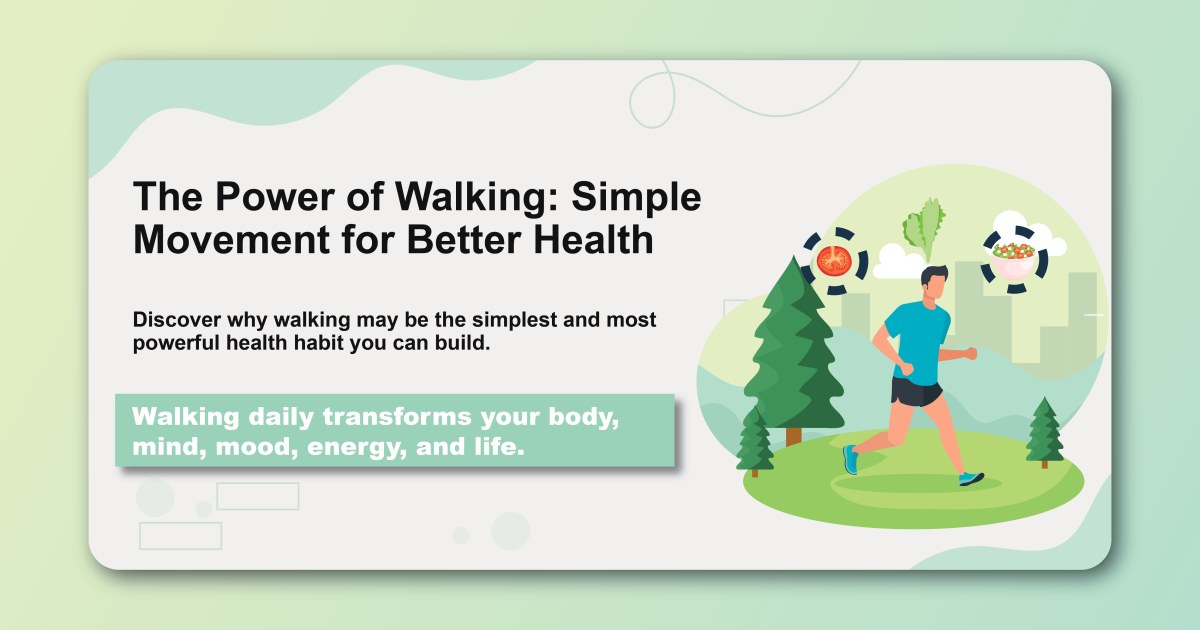
Walking is perhaps the most underrated superpower in our modern world. While we chase complex fitness routines and expensive gym memberships, the simple act of putting one foot in front of the other offers profound benefits that extend far beyond physical fitness. Walking is accessible, free, requires no special equipment, and can be done almost anywhere, making it the perfect foundation for a healthy lifestyle.
The beauty of walking lies in its simplicity and sustainability. Unlike high-intensity workouts that can feel overwhelming or intimidating, walking is gentle, natural, and something our bodies were designed to do. Yet research shows that regular walking can be as effective as many complex interventions for improving physical health, mental well-being, and cognitive function.
Walking isn't just exercise—it's a form of active meditation, a creativity booster, a stress reliever, and a way to connect with your environment and community. When you make walking a daily habit, you're not just improving your fitness; you're investing in your overall quality of life in ways that compound over time.
The key to harnessing the power of walking isn't about speed, distance, or intensity—it's about consistency. Even moderate walking, done regularly, can transform your health and well-being in ways that will surprise you.
The Science of Walking
Physical Health Benefits
Cardiovascular Health
- Walking for 30 minutes daily can reduce the risk of heart disease by up to 35%
- Regular walking lowers blood pressure and improves circulation
- Walking strengthens the heart muscle and improves cardiovascular efficiency
- Even short walks after meals can significantly improve blood sugar control
Weight Management
- Walking burns calories without the stress of high-impact exercise
- Regular walking helps maintain healthy weight and body composition
- Walking boosts metabolism for hours after the activity
- Combining walking with strength training creates optimal body composition changes
Bone and Joint Health
- Walking is weight-bearing exercise that strengthens bones
- Regular walking reduces the risk of osteoporosis
- Walking lubricates joints and reduces arthritis pain
- Low-impact nature makes it suitable for people with joint issues
Immune System Support
- Moderate walking boosts immune function
- Walking increases the production of antibodies and white blood cells
- Regular walkers have fewer sick days and recover faster from illness
- Walking reduces chronic inflammation throughout the body
Mental Health Benefits
Mood Enhancement
- Walking triggers the release of endorphins, the body's natural mood elevators
- Regular walking can be as effective as antidepressants for mild to moderate depression
- Walking reduces cortisol levels and helps manage stress
- Even a 10-minute walk can improve mood for several hours
Cognitive Function
- Walking increases blood flow to the brain, improving mental clarity
- Regular walking can improve memory and reduce cognitive decline
- Walking stimulates the production of BDNF (brain-derived neurotrophic factor)
- Walking breaks improve focus and productivity when returning to mental tasks
Creativity and Problem-Solving
- Stanford research shows walking can increase creative output by up to 60%
- Walking helps the brain make new connections and generate novel ideas
- Many breakthrough insights occur during walks rather than at desks
- Walking provides mental space for processing and reflection
Sleep and Energy Benefits
Sleep Quality
- Regular walking improves sleep onset and sleep quality
- Walking helps regulate circadian rhythms
- Walking reduces stress and anxiety that can interfere with sleep
- Morning walks help establish healthy sleep-wake cycles
Energy Levels
- Walking increases energy levels through improved circulation
- Regular walking reduces fatigue and increases stamina
- Walking helps maintain stable blood sugar levels throughout the day
- Walking provides natural energy without the crash of caffeine
Building Your Walking Habit
Starting Small and Building Gradually
The 2-Minute Rule
- Start with just 2 minutes of walking
- Focus on establishing the routine before increasing duration
- Success breeds success—small wins create momentum
- Gradually increase by 1-2 minutes each week
Progressive Building
- Week 1-2: 5 minutes daily
- Week 3-4: 10 minutes daily
- Week 5-8: 15-20 minutes daily
- Month 2+: 30+ minutes daily or as desired
Consistency Over Intensity
- A 10-minute daily walk is better than sporadic hour-long walks
- Focus on making walking automatic before optimizing distance or speed
- Celebrate consistency streaks, not just individual great walks
- Missing one day doesn't break the habit—just resume the next day
Finding Your Walking Style
Mindful Walking
- Focus on the sensation of your feet touching the ground
- Notice your breathing and the rhythm of your steps
- Observe your surroundings with all your senses
- Use walking as a form of moving meditation
Social Walking
- Walk with family, friends, or colleagues
- Join walking groups or clubs in your community
- Schedule "walking meetings" for appropriate work discussions
- Use walking as quality time with loved ones
Productive Walking
- Listen to podcasts, audiobooks, or educational content
- Make phone calls while walking (when safe and appropriate)
- Use walking time for mental planning and reflection
- Combine walking with other activities like dog walking or commuting
Exploratory Walking
- Take different routes to maintain interest
- Explore new neighborhoods or parks
- Walk to destinations instead of driving when possible
- Use walking as a way to discover your community
Overcoming Common Obstacles
"I Don't Have Time"
- Start with 5-minute walks during lunch breaks
- Walk while talking on the phone
- Park farther away or get off public transport one stop early
- Take walking breaks instead of coffee breaks
- Walk during TV commercial breaks or while waiting for appointments
"The Weather is Bad"
- Invest in weather-appropriate gear (rain jacket, warm layers)
- Find indoor walking options (malls, hallways, staircases)
- Use bad weather as an opportunity to explore covered areas
- Remember that there's no bad weather, only inappropriate clothing
"It's Not Intense Enough"
- Walking is valuable exercise regardless of intensity
- Add hills, stairs, or walking poles to increase intensity
- Incorporate short bursts of faster walking
- Remember that consistency matters more than intensity
"I Get Bored"
- Change your route regularly
- Listen to engaging audio content
- Practice mindfulness or gratitude during walks
- Walk with others for social stimulation
- Set small exploration goals for each walk
Maximizing Your Walking Benefits
Optimizing Your Walking Environment
Route Planning
- Choose safe, pleasant routes that you enjoy
- Identify multiple options for different weather conditions
- Include variety in terrain (flat, hills, stairs) for different benefits
- Consider loops that return you to your starting point
Safety Considerations
- Wear bright or reflective clothing in low light
- Walk facing traffic when on roads without sidewalks
- Carry identification and emergency contact information
- Stay alert and avoid distractions in busy areas
- Let someone know your route and expected return time
Gear and Equipment
- Comfortable, supportive walking shoes are the most important investment
- Dress in layers for temperature regulation
- Consider a walking stick or poles for stability and upper body engagement
- Use a fitness tracker or smartphone app to monitor progress
Walking for Specific Goals
Weight Loss
- Aim for 45-60 minutes of walking most days
- Include hills or inclines to increase calorie burn
- Walk at a pace that allows conversation but feels purposeful
- Combine walking with strength training for optimal results
Stress Relief
- Focus on rhythmic, steady walking
- Practice deep breathing while walking
- Walk in nature whenever possible
- Leave devices behind to fully disconnect from stressors
Creativity and Problem-Solving
- Walk without distractions (no phone, music, or podcasts)
- Allow your mind to wander freely
- Don't force solutions—let insights emerge naturally
- Carry a small notebook for capturing ideas
Social Connection
- Schedule regular walks with friends or family
- Join walking groups or clubs
- Use walking as an opportunity for meaningful conversations
- Walk with your dog to connect with other dog owners
Advanced Walking Strategies
Interval Walking
- Alternate between comfortable and brisk walking speeds
- Walk fast for 1-2 minutes, then return to comfortable pace
- This approach can improve cardiovascular fitness more than steady-state walking
- Gradually increase the duration or intensity of faster intervals
Walking Meditation
- Focus on each step and the sensation of movement
- Coordinate breathing with steps (e.g., inhale for 4 steps, exhale for 4 steps)
- When your mind wanders, gently return attention to walking
- This practice combines physical activity with mindfulness training
Destination Walking
- Walk to accomplish errands (grocery store, bank, appointments)
- This makes walking purposeful and saves time
- Plan errands to include walking routes
- Combine transportation with exercise
Creating a Sustainable Walking Routine
Daily Integration Strategies
Morning Walks
- Start your day with energy and clarity
- Take advantage of cooler temperatures and lighter traffic
- Use morning walks to set positive intentions for the day
- Walking first thing prevents schedule conflicts from interfering
Lunchtime Walks
- Break up the workday with refreshing movement
- Improve afternoon energy and focus
- Use lunch walks to transition between morning and afternoon work
- Walking after eating aids digestion and blood sugar management
Evening Walks
- Decompress from the day's stress
- Improve sleep quality through gentle movement
- Use evening walks for reflection and planning
- Walking helps create a healthy transition between work and rest
Building Long-Term Consistency
Habit Stacking
- Link walking to existing habits (after morning coffee, before dinner)
- Use walking as a transition between activities
- Create walking rituals that become automatic
- Connect walking to activities you already enjoy
Environmental Design
- Keep walking shoes by the door
- Have weather-appropriate gear easily accessible
- Create visual reminders of your walking goals
- Make walking the easiest exercise option available
Progress Tracking
- Keep a simple walking log or use a smartphone app
- Track consistency rather than just distance or speed
- Celebrate milestones and streaks
- Use tracking to identify patterns and optimize your routine
Seasonal Adaptations
Spring and Fall
- Take advantage of ideal weather conditions
- Explore new outdoor locations
- Increase walking duration during pleasant weather
- Use these seasons to establish strong walking habits
Summer
- Walk early in the morning or late in the evening
- Stay hydrated and wear sun protection
- Seek shaded routes or indoor alternatives during extreme heat
- Use summer for social walking activities
Winter
- Invest in appropriate cold-weather gear
- Find indoor walking alternatives (malls, gyms, indoor tracks)
- Embrace winter walking as an adventure
- Use winter walking to boost mood during darker months
Walking for Life Stages and Conditions
Walking for Beginners
Complete Beginners
- Start with 5 minutes of walking
- Focus on frequency over duration
- Choose flat, easy routes initially
- Build confidence through consistent small successes
Returning to Exercise
- Begin conservatively and progress gradually
- Listen to your body and rest when needed
- Consider walking with a friend for motivation and safety
- Celebrate the achievement of returning to regular movement
Walking for Specific Populations
Seniors
- Focus on balance and stability
- Use walking aids if needed
- Walk with others for safety and social connection
- Adapt pace and distance to individual capabilities
People with Chronic Conditions
- Consult healthcare providers before beginning
- Start with very short walks and progress slowly
- Monitor how walking affects symptoms
- Use walking as part of comprehensive health management
Busy Professionals
- Use walking meetings when appropriate
- Walk during phone calls
- Take walking breaks every hour
- Walk to work or during lunch breaks
Walking for Mental Health
Depression and Anxiety
- Start with very short walks and build gradually
- Focus on the achievement of walking rather than performance
- Walk in nature when possible for additional benefits
- Use walking as a daily anchor for routine and stability
Stress Management
- Walk immediately after stressful events when possible
- Use walking to process emotions and gain perspective
- Practice breathing exercises while walking
- Walk in calming environments that promote relaxation
Walking is one of the most powerful habits you can develop for your health and well-being. It's simple, accessible, and sustainable, yet its benefits are profound and far-reaching. Whether you're looking to improve your physical fitness, boost your mental health, increase your creativity, or simply add more joy to your daily routine, walking offers a path forward that anyone can take.
The key to success with walking is to start where you are and progress at your own pace. Focus on consistency over intensity, and remember that every step counts. As you build your walking habit, you'll likely find that the benefits extend far beyond what you initially expected, touching every aspect of your life in positive ways.
Don't underestimate the power of this simple movement. In a world of complex solutions and expensive interventions, walking offers a refreshing reminder that sometimes the most powerful tools for transformation are the simplest ones. Your journey to better health, one step at a time, starts with your next walk.
Ready to harness the power of walking for better health? Track your walking habits and build sustainable movement practices with Habityzer and discover how this simple habit can transform your physical and mental well-being.