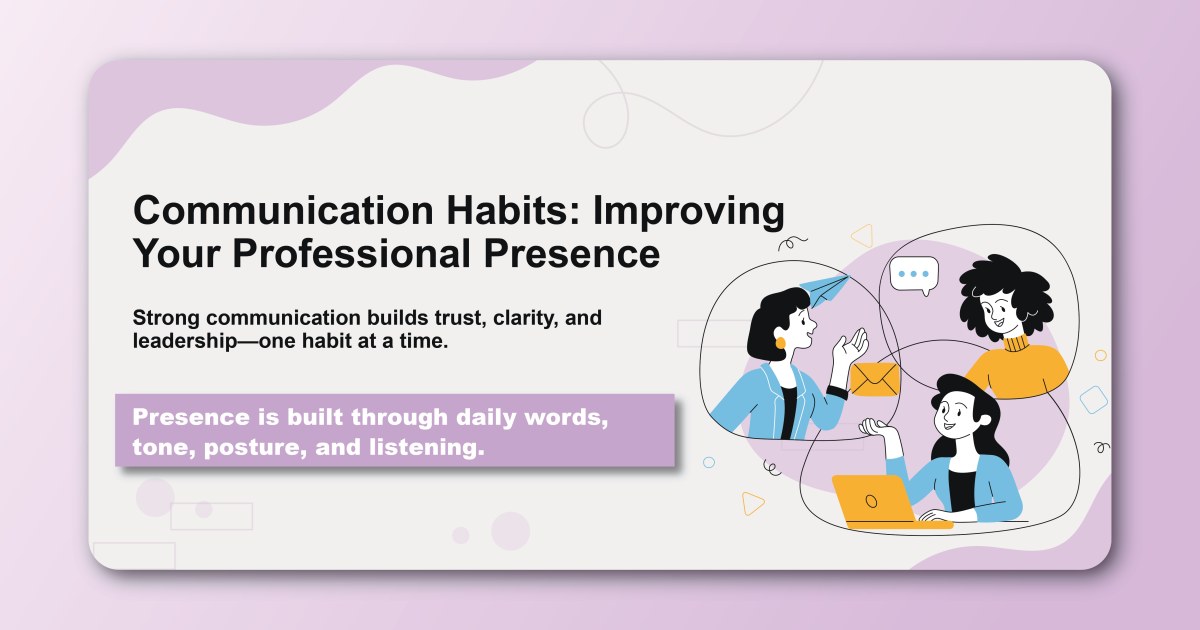
Professional communication is one of the most critical skills for career success, yet it's often developed haphazardly through trial and error rather than systematic practice. Great communicators aren't born—they're made through consistent daily habits that refine their ability to connect, influence, and inspire others. Whether you're presenting to executives, collaborating with team members, or networking with industry peers, your communication skills directly impact your professional presence and career trajectory.
The power of effective communication lies not just in what you say, but in how you say it, when you say it, and how well you listen and respond to others. Professional presence is built through countless small interactions where your communication demonstrates competence, builds trust, shows respect for others, and creates positive impressions. These moments compound over time to create a reputation for excellence that opens doors and creates opportunities.
Modern professional communication requires mastery of both traditional and digital channels. From face-to-face meetings to video conferences, from email to social media, from formal presentations to casual conversations, today's professionals must adapt their communication style to various contexts while maintaining authenticity and effectiveness across all platforms.
The most successful professionals understand that communication is not just about transmitting information—it's about building relationships, solving problems, inspiring action, and creating shared understanding. They develop habits that make their communication clear, compelling, and memorable while demonstrating emotional intelligence and cultural awareness.
This comprehensive guide explores the daily habits that transform communication from a basic skill into a powerful tool for professional success. Whether you're looking to improve your executive presence, enhance your leadership communication, or simply become more effective in daily interactions, these habits will help you build the communication skills that accelerate career growth and create lasting professional impact.
The Foundation of Professional Communication
Core Communication Principles
Clarity Over Cleverness Effective professional communication prioritizes clear, direct messaging over impressive vocabulary or complex concepts.
Audience-Centered Approach Great communicators focus on their audience's needs, perspectives, and communication preferences rather than their own.
Consistency Across Channels Professional presence is built through consistent communication quality across all platforms and interactions.
Authentic Professional Voice Develop a communication style that is both professional and authentically you, building trust through genuine interaction.
Communication Impact Understanding
First Impressions Matter Initial communication interactions create lasting impressions that influence future opportunities and relationships.
Compound Effect of Communication Each communication interaction builds upon previous ones, creating a reputation for communication excellence or deficiency.
Emotional Intelligence Integration Effective communication requires understanding and managing both your own emotions and those of others.
Cultural Awareness Professional communication must account for cultural differences and adapt appropriately to diverse audiences.
Daily Verbal Communication Habits
Active Listening Practices
Full Attention Commitment Give complete focus to others when they're speaking, eliminating distractions and demonstrating respect.
Listening Strategies:
- Put away devices and eliminate distractions
- Make appropriate eye contact and use open body language
- Ask clarifying questions to ensure understanding
- Reflect back what you've heard to confirm comprehension
- Avoid interrupting or preparing your response while others speak
Empathetic Listening Listen not just to words but to emotions, concerns, and underlying messages.
Empathetic Approaches:
- Pay attention to tone, pace, and emotional cues
- Acknowledge others' feelings and perspectives
- Ask questions that demonstrate understanding
- Respond with empathy and validation
- Seek to understand before seeking to be understood
Strategic Questioning Use questions to deepen understanding, encourage participation, and guide conversations productively.
Questioning Techniques:
- Ask open-ended questions to encourage elaboration
- Use probing questions to understand root causes
- Employ hypothetical questions to explore possibilities
- Ask for examples and specific details
- Use questions to redirect unproductive conversations
Speaking and Presentation Habits
Clear Articulation Develop habits that ensure your speech is clear, well-paced, and easy to understand.
Articulation Practices:
- Speak at an appropriate pace for your audience
- Enunciate clearly and avoid mumbling
- Use appropriate volume for the setting
- Eliminate filler words and unnecessary pauses
- Practice pronunciation of key terms and names
Structured Communication Organize your thoughts and messages in logical, easy-to-follow structures.
Structure Approaches:
- Use clear introductions that preview your main points
- Organize content in logical sequences
- Use transitions to connect ideas smoothly
- Summarize key points at the end
- Adapt structure to different communication contexts
Compelling Storytelling Use narrative techniques to make your communication more engaging and memorable.
Storytelling Elements:
- Use concrete examples and case studies
- Include personal anecdotes when appropriate
- Create emotional connections through stories
- Use vivid imagery and descriptive language
- Connect stories to key messages and takeaways
Written Communication Excellence
Email Communication Habits
Professional Email Standards Develop consistent practices for professional email communication.
Email Best Practices:
- Use clear, specific subject lines
- Start with appropriate greetings and context
- Write concise, scannable content
- Use bullet points and formatting for clarity
- End with clear next steps and professional closings
Response Timing and Quality Establish habits for timely, thoughtful email responses.
Response Strategies:
- Acknowledge receipt of important emails promptly
- Set expectations for response times
- Respond thoroughly to all questions and requests
- Use appropriate tone and formality level
- Proofread before sending every email
Email Efficiency Develop systems for managing email communication effectively.
Efficiency Practices:
- Use templates for common responses
- Batch email processing at specific times
- Use clear action requests and deadlines
- Minimize unnecessary email exchanges
- Use appropriate communication channels for different types of messages
Document and Report Writing
Clear Business Writing Develop habits for creating clear, professional documents.
Writing Principles:
- Use active voice and strong verbs
- Write concise, direct sentences
- Organize content with clear headings and structure
- Use data and evidence to support key points
- Edit ruthlessly for clarity and impact
Executive Summary Skills Practice creating compelling executive summaries that capture key information.
Summary Strategies:
- Lead with the most important information
- Use bullet points for key findings
- Include specific data and metrics
- Provide clear recommendations
- Keep summaries concise and actionable
Digital Communication Mastery
Virtual Meeting Communication
Video Conference Presence Develop habits for effective communication in virtual meetings.
Virtual Presence Practices:
- Test technology and setup before meetings
- Use appropriate lighting and camera positioning
- Maintain eye contact with the camera
- Use clear audio and minimize background noise
- Engage actively through chat and participation
Remote Collaboration Skills Build skills for effective collaboration in digital environments.
Collaboration Strategies:
- Use collaborative tools effectively
- Share screens and documents clearly
- Facilitate inclusive virtual discussions
- Manage time and participation effectively
- Follow up with clear action items
Social Media Communication
Professional Social Media Presence Develop habits for maintaining professional presence on social media platforms.
Social Media Best Practices:
- Share valuable, relevant content regularly
- Engage thoughtfully with others' content
- Maintain consistent professional tone
- Use appropriate hashtags and tagging
- Monitor and respond to comments and messages
Thought Leadership Development Use social media to build your reputation as a knowledgeable professional.
Thought Leadership Strategies:
- Share insights and expertise regularly
- Comment thoughtfully on industry topics
- Engage in professional discussions
- Support others' success and achievements
- Build relationships through authentic interaction
Nonverbal Communication Habits
Body Language Awareness
Confident Physical Presence Develop habits that project confidence and professionalism through body language.
Body Language Practices:
- Maintain good posture in all settings
- Use open, welcoming gestures
- Make appropriate eye contact
- Use purposeful hand movements
- Adapt body language to different cultural contexts
Spatial Awareness Understand and use personal space effectively in professional settings.
Spatial Considerations:
- Respect personal space boundaries
- Use proximity appropriately in different settings
- Understand cultural differences in space preferences
- Adapt to virtual and in-person environments
- Use physical positioning to facilitate communication
Voice and Tone Management
Vocal Presence Develop habits for using your voice effectively in professional settings.
Vocal Techniques:
- Vary pace and inflection to maintain interest
- Use appropriate volume for different settings
- Control nervous habits like speaking too quickly
- Use pauses effectively for emphasis
- Match tone to message and audience
Emotional Regulation Maintain appropriate emotional tone in professional communication.
Emotional Control Strategies:
- Practice staying calm under pressure
- Use breathing techniques to manage stress
- Avoid emotional language in difficult conversations
- Take breaks when needed to maintain composure
- Seek feedback on emotional impact of communication
Difficult Conversation Skills
Conflict Resolution Communication
Constructive Dialogue Habits Develop skills for handling difficult conversations professionally.
Dialogue Strategies:
- Address issues directly but respectfully
- Focus on behaviors and outcomes rather than personalities
- Use "I" statements to express concerns
- Seek win-win solutions and compromises
- Follow up to ensure resolution
De-escalation Techniques Learn to manage and reduce tension in difficult conversations.
De-escalation Practices:
- Lower your voice and slow your speech
- Acknowledge others' concerns and feelings
- Find common ground and shared interests
- Use neutral language and avoid inflammatory words
- Take breaks when conversations become too heated
Feedback Communication
Giving Constructive Feedback Develop habits for providing helpful, actionable feedback.
Feedback Best Practices:
- Be specific and objective in your observations
- Focus on behaviors that can be changed
- Provide suggestions for improvement
- Balance constructive feedback with recognition
- Follow up to support implementation
Receiving Feedback Gracefully Practice responding to feedback in ways that promote growth and relationships.
Feedback Reception:
- Listen actively without becoming defensive
- Ask clarifying questions to understand fully
- Thank others for their input and perspective
- Commit to specific improvement actions
- Follow up to show progress and continued interest
Communication Skill Development
Continuous Improvement Habits
Self-Assessment and Reflection Regularly evaluate your communication effectiveness and identify areas for improvement.
Assessment Practices:
- Record yourself speaking to identify improvement areas
- Seek feedback from colleagues and supervisors
- Reflect on communication successes and failures
- Set specific communication development goals
- Track progress over time
Skill Practice Develop daily practices for improving specific communication skills.
Practice Strategies:
- Join speaking groups like Toastmasters
- Practice presentations with colleagues
- Record and review important conversations
- Read communication improvement books and articles
- Attend communication workshops and training
Professional Development
Communication Training Invest in formal communication training and development opportunities.
Training Options:
- Public speaking and presentation skills courses
- Business writing workshops
- Conflict resolution training
- Cultural communication awareness programs
- Leadership communication development
Mentorship and Coaching Seek guidance from others who excel in professional communication.
Mentorship Strategies:
- Find mentors who are excellent communicators
- Observe and learn from communication role models
- Seek coaching for specific communication challenges
- Practice with trusted colleagues and advisors
- Join professional communication organizations
Professional communication is a skill that can be developed through consistent daily practice and intentional habit formation. The habits outlined in this guide provide a comprehensive framework for building communication skills that enhance your professional presence and accelerate your career growth.
Remember that effective communication is not about perfection—it's about continuous improvement and authentic connection with others. Focus on developing habits that make your communication clear, compelling, and considerate of others' needs and perspectives.
Whether you're an experienced professional or just starting your career, investing in communication habits will pay dividends throughout your professional journey. Great communicators are made, not born, and the daily practices you develop today will compound over time to create exceptional professional presence and influence.
Ready to transform your professional presence through strategic communication habits? Start building your communication excellence with Habityzer and discover how consistent practice can enhance your influence, relationships, and career success.